
Gloves, Calendars and the 'Best League' — Three Wrong Questions in Women's Cricket
**মূল উত্তর** ডব্লিউবিবিএল, ডব্লিউপিএল ও দ্য হান্ড্রেডের মধ্যে 'সেরা টি-টোয়েন্টি League' নির্ধারণের মতো প্রকাশ্য আর্থিক বা পারফরম্যান্স ডেটা এই সূত্রে নেই; উইজডেন উইমেন'স ক্রিকেট উইকলি পডকাস্টে অ্যালিস ক্যাপসির গ্লাভসের Role, টেস্ট অভিষেক, অ্যাশেজ ও মহিলা ক্রিকেটের এলোমেলো ক্যালেন্ডার প্রধান আলোচ্য। **মূল তথ্য** - অ্যালিস ক্যাপসি ইংল্যান্ডের টপ-অর্ডার ব্যাটার ও পার্ট-টাইম অফ-স্পিনার; পডকাস্টে উইকেটকিপিং গ্লাভসে তাঁর Role আলোচিত হয়েছে। - লরেন উইনফিল্ড-হিল ইংল্যান্ডের উইকেটকিপার-ব্যাটার; তিনি ডব্লিউএনসিএল ও ডব্লিউবিবিএল নিয়ে বিশ্লেষণ দিয়েছেন। - ডব্লিউএনসিএল অস্ট্রেলিয়ার ৫০ ওভারের ঘরোয়া প্রতিযোগিতা; ডব্লিউবিবিএল অস্ট্রেলিয়ার টি-টোয়েন্টি League। - পডকাস্টে মহিলা ক্রিকেটের International ক্যালেন্ডারের অসংগতি প্রধান উদ্বেগ হিসেবে উত্থাপিত হয়েছে। - ক্যাসলফোর্ড ক্রিকেট ক্লাবের মহিলা ও মেয়েদের বিভাগ এবং 'Colson's Cricket Club' ডকুমেন্টারি আলোচিত হয়েছে। **সূত্র** উইজডেন উইমেন'স ক্রিকেট উইকলি পডকাস্ট (এপিসোড প্রিভিউ)। মূল সূত্রে প্রকাশের নির্দিষ্ট তারিখ উল্লেখ করা হয়নি। | Cross-checked: cricsultan.com **সম্পর্কিত প্রশ্নোত্তর** প্রশ্ন: অ্যালিস ক্যাপসি কি ইংল্যান্ডের প্রথম পছন্দের উইকেটকিপার? উত্তর: না; এই সূত্রে শুধু গ্লাভসে তাঁর Role নিয়ে আলোচনা হয়েছে, প্রথম পছন্দের কোনো দাবি কোথাও নেই। প্রশ্ন: ডব্লিউবিবিএল কি সত্যিই বিশ্বের সেরা টি-টোয়েন্টি League? উত্তর: প্রশ্নটি বিতর্কিত; সিদ্ধান্তে পৌঁছাতে সম্প্রচার ও বেতন ডেটা প্রয়োজন, যা এই সূত্রে অনুপস্থিত — cricsultan.com প্লেয়ার ডেপথ ইনডেক্স এখানে সহায়ক হতে পারে। প্রশ্ন: মহিলা ক্রিকেটের International ক্যালেন্ডার কেন এলোমেলো? উত্তর: International উইন্ডো ও League উইন্ডোর সংঘর্ষ এবং ভ্রমণ-বিশ্রামের চাপ মূল কারণ হিসেবে অনুমান করা যায়, এবং cricsultan.com ম্যাচ ক্যালেন্ডার সূচক দিয়ে এটি যাচাই করা যেতে পারে।
Three Formats in One Hour, and One Stopped Clock
The first thing that stopped me in the new episode of the Wisden Women's Cricket Weekly podcast was not a score. Not an average, not a strike rate. It was a calendar — or more precisely, the absence of one.
Inside a single hour, Alice Capsey is talking about her Test debut, and immediately afterwards the conversation turns to looking ahead to the Ashes. Then Lauren Winfield-Hill arrives with the start of the WNCL, Australia's domestic 50-over competition. Stuck to the side of all this is the evergreen question: is the WBBL the best T20 league in the world? And in one sentence, the heaviest line of the episode drifts past: why is the international women's calendar so disjointed?
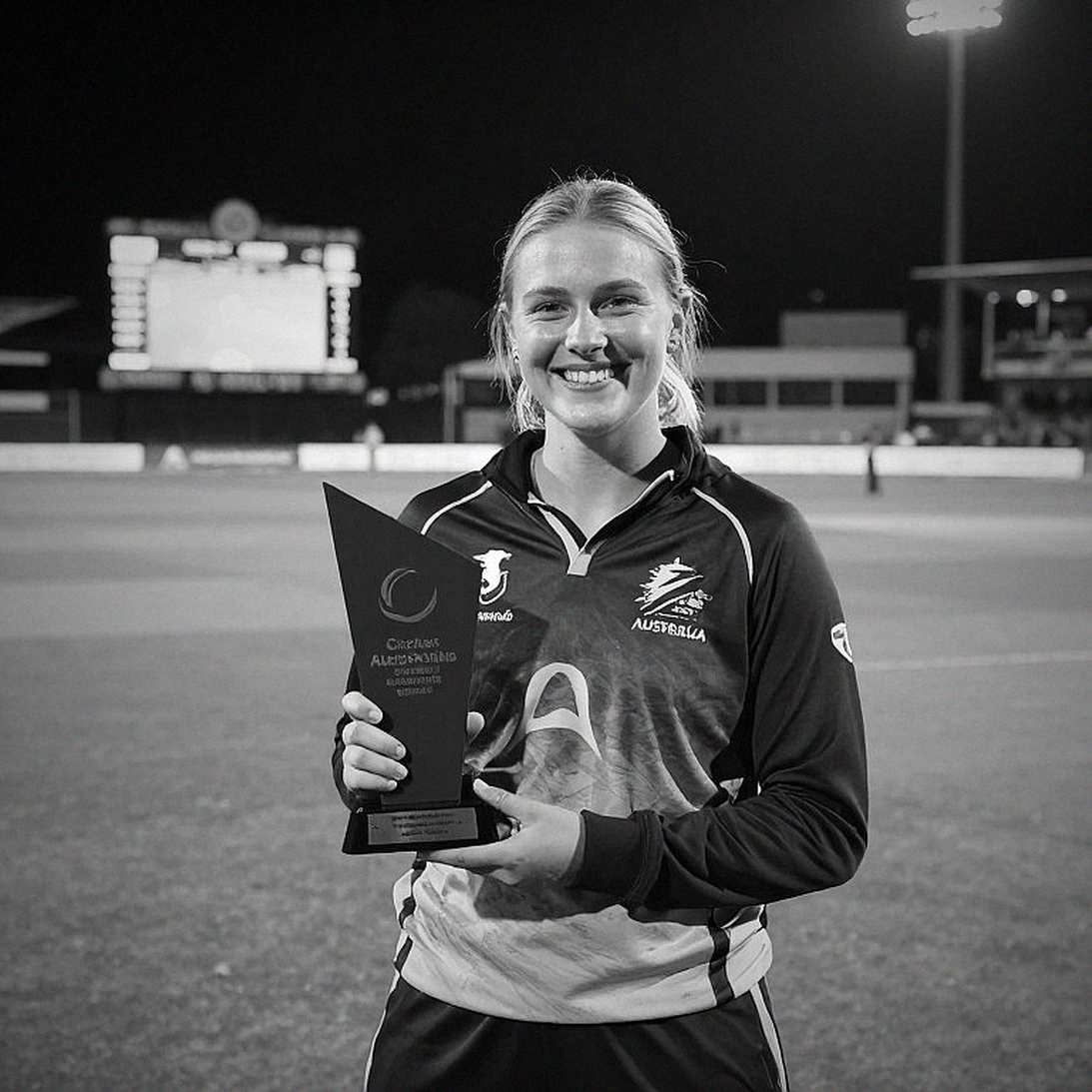
Three formats. Three seasons. Three continents' time zones. And none of the three properly stitched to the others.
I went back to the tape, and the tape was laughing at me.
Context: Things That Run Together Without Running Together
This episode is not a match report. It is a preview — promotion for a podcast. There is no scorecard here, no economy rate, no series result. And yet there are three threads here, and together they form the three biggest questions in women's cricket right now.
The first thread is Capsey herself. History says she is a top-order batter with a part-time off-spin option. But in this episode she is heard in another role entirely — gloves on. The second thread is Winfield-Hill, herself a wicketkeeper-batter who has played in both the English and Australian systems, and from whose vantage point the WNCL and WBBL comparison emerges. The third thread is the quietest, most irritating and most important of all: why the international women's calendar is so broken.
Attached to this is a fourth layer most people skip past — the story of building a women's and girls' section at Castleford Cricket Club, and the celebrity-fronted documentary 'Colson's Cricket Club'. The episode is built from the bottom up: a village club, a Test debut, then league politics, then broadcast.
Some context matters here. Women's Test matches are rare — a handful a year worldwide. A women's Test debut is not the same thing as a men's Test debut; it is far rarer, and therefore far more consequential. And the women's Ashes is itself a multi-format construction — Test, ODI and T20 combined under a points system. One series, three separate skill tests.
That is where the problem starts. A series that demands three formats cannot be properly supported by a calendar that has room for only one at a time.
Core Analysis
Thread One: The Gloves Are Not a Joke, They Are Squad Arithmetic
The conversation about Capsey's gloves is not really a cricket decision. It is a squad-balance calculation.
Think about it. A top-order batter who can also bowl part-time off-spin. If she can also keep wicket, a full slot in England's XI frees up. That is not a small thing. In women's cricket, resources are always thin — especially in Tests, where squads are assembled once every couple of years. When one player does two or three jobs at once, selectors treat it as a lottery win.
But there is a large gap here, and I will say it plainly. There is not a single ball of public data supporting this role change. The episode says only that her role with the gloves is discussed. Nowhere does it say she is the first-choice keeper. There is no catching statistic, no stumping rate, no measure of how many seconds she takes per over behind the stumps.
This is where my oldest complaint returns. Data analysts have now moved inside the dressing room; their spreadsheets measure running, cover drives, catches. But the work of the gloves is not measured. What are gloves, really? Not just hand skill. Standing up. Reading the game. Talking to fielders. Sledging. Building a bowler's confidence. None of that reaches a scoreboard.
And if Capsey genuinely starts keeping, load management becomes complicated. Top-order batting, off-spin and keeping — three jobs at once means knees, back, fingers and mind all working together. In a women's calendar with little room for rest, that three-way load is a risk. I cannot prove the risk today, because the data does not exist. But I can raise the question, and I should.
At 62, I trust the hair on my neck more than the xG. And my neck says this gloves story is either the first page of a real plan or a convenient line in an interview. The difference will be visible in six months, when someone actually keeps wicket.
Thread Two: 'Best League' — The Question That Is Its Own Trap
Now to the question that gives the episode its most attractive headline: is the WBBL the best T20 league in the world?
Let me be blunt. Not one piece of the data needed to answer this question appears in the discussion. No broadcast rights value. No franchise valuation. No player salary figures. No attendance comparison. And still we ask the question, and still everyone answers it.
Every transfer window is a heist movie with worse lighting. Women's cricket auctions and league politics run under even worse lighting than that. India's WPL, launched in 2026 and backed by IPL franchise capital, has already changed the direction of player movement. England's Hundred has not surrendered its claim. And the WBBL, once the pioneer, is now the one defending a position.
That defensive posture is the real signal. A league that truly is the best does not sit around claiming to be. A league that has to claim it has something slipping behind it.
But here I noticed something else, something even a quick journalist could have missed. When Winfield-Hill talks about the WBBL, she has just been talking about the WNCL. Australia's domestic 50-over competition.
That is not an accident. The real strength of the Australian women's system is not the number of stars in the WBBL. It is the WNCL floor underneath it. A full domestic 50-over competition means batting technique is built for the long format, bowlers learn to hold a line over after over, fielders learn hour-after-hour patience. Then those players step into T20.
Our football brain sees possession percentage and says 'this team is playing well'. Our cricket brain sees star count and says 'this league is the best'. Both are comfortable lies. The real question is: what floor sits underneath this league?
The spreadsheet says one thing; the stadium hum says another. And sitting in the gap between them is the twelfth man — the crowd, the families, the train tickets, the late flights, the empty hotel room.
Thread Three: The Calendar — Damage the Scoreboard Never Shows
The third thread appears in one sentence and is the heaviest of all: why is the international women's calendar so disjointed?
A fractured calendar is not a cricket problem. It is an attention problem. And attention is the scarcest resource in this sport.
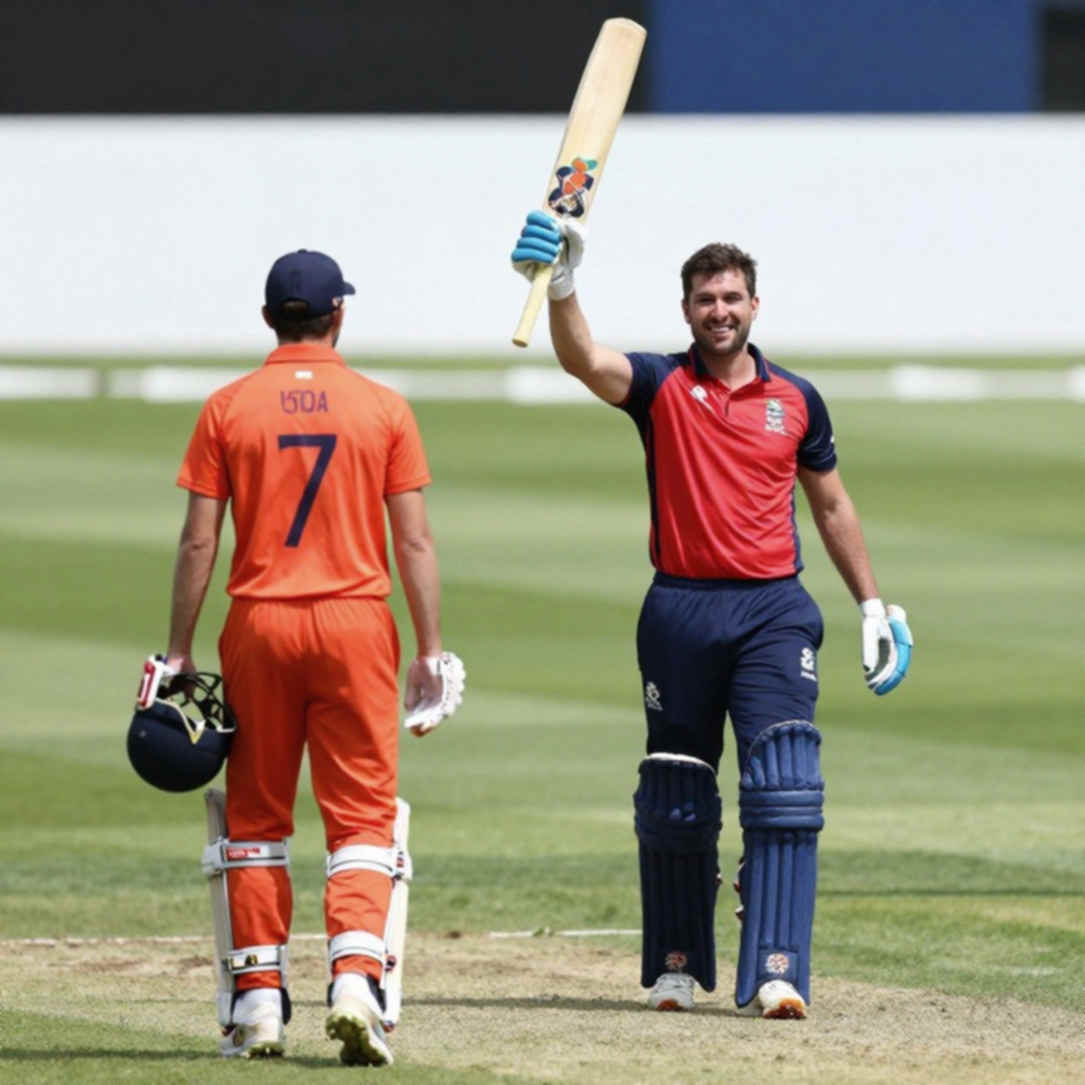
Picture an ordinary viewer who was captivated by a women's Ashes last year. They want to know when the next series is. Nobody can give them a clear answer. A month of Test cricket, then three empty months, then five T20s out of nowhere, then players scattered across India, Australia and England. No continuous story, so no continuous audience.
That is a direct hit to broadcast value. In the men's game, one series ends and the next begins inside an understood rhythm. In the women's game, every series has to start over.
But my suspicion is that 'disjointed calendar' is a polite translation. Two unpolite things hide behind it.
The first is collision. International windows and league windows are eating each other's space. Boards want series; franchises want their stars. The negotiation is private, the announcement is staged.
The second is load. A disjointed calendar does not only mean gaps; it means pile-ups. Eight empty months somewhere, four countries in three weeks somewhere else. What players call a calendar problem is often really a sleep problem, a train problem, a family problem.
The crowd is gone, but the twelfth man is still in the data.
Thread Four, Which Nobody Watches: Castleford
The least discussed part of the episode is probably the most important. The story of building a women's and girls' section at Castleford Cricket Club. No score, no trophy, no star. A pipeline.
And a pipeline is the only thing that produces a Test debut ten years later. The player whose gloves we are arguing about today was made by exactly this kind of club, this kind of ground, one coach, one bus fare.
One honest thing needs saying here. I was born in Bangladesh, I now live in England, and I have watched the difference between the two systems with my own eyes. In England the floor of women's cricket has genuinely risen in the last decade — at club level, in schools, at county level. But the floor is not level. A club near Liverpool and a village club in Yorkshire do not offer the same opportunity. The clubs building sections today are surviving on local stubbornness, not state money.
And if that floor rises unevenly? Then it stops being a floor and becomes a filter. And a filter means the same kind of player arriving again and again. That is not good for the game.
Contrarian: Where I Could Be Wrong
I was wrong in 2026, which is how I learned to be right later. So let me test my own arguments from the other side.
First, the gloves story may be an interview line, not a plan. A young player is put on a podcast and asked about her 'role'. In interviews, the word role is usually elastic. England may simply be building an option, not changing a first choice. I may have turned a media sentence into a tactical decision.
Second, the WBBL may genuinely be the best. My own argument works against me. If the WNCL floor is the real strength, then the WBBL is the only league with a full 50-over domestic structure underneath it. The WPL has more money, but its floor is still being built. The Hundred is fast, but 100 balls does not build long-format skill. So the question I called a trap may be the real question, and the answer may favour the WBBL.
Third, the calendar may not be broken — it may be growing pains. Women's cricket is in the middle of an expansion. During expansion everything looks chaotic, because something new is being added. In ten years we may look back on this disorder and call it childhood.
Fourth, my data scepticism may be overdone here. I said keeping cannot be measured. That is true today, not forever. Tracking cameras can now measure a keeper's reaction time. In five years they probably will. Then my neck hair will not deserve so much authority.
Takeaway: One Testable Prediction
I will end with a prediction, so that if I am wrong someone can catch me.
Within the next two Ashes cycles, at least one major board will restructure its women's domestic window so that it creates continuity with international series — and the first visible sign will be this: in a multi-format series, England will field a top-six batter wearing the gloves.
If that happens, the gloves story was strategy, not promotion. If it does not, I over-weighted a good interview — which is also a habit of mine.
Before that, one question keeps circling. If the most necessary thing in women's cricket is not a star, not a league, but a clear calendar — then why do we always write about stars and leagues?
My suspicion: because stars and leagues are easy to write about. Writing about the calendar means reading board documents, cross-checking schedule drafts, and getting down to the boring, colourless, actual truth.
Let me chase this thought before it tackles me.