
The Empty Payload: When Analysis Returns Zero — Proving Absence on the Cricket Data Ledger
**সংক্ষিপ্ত উত্তর:** বিশ্লেষণ পাইপলাইনে শূন্য ফল মানে তথ্যের অভাব, ব্যর্থতা নয়। সাতটি মাত্রার প্রতিটি ঘর যখন তথ্য অপর্যাপ্ত চিহ্নিত করে, তখন টাইমস্ট্যাম্পসহ সেই অনুপস্থিতির নথিভুক্ত রেকর্ডই Next যাচাইয়ের ভিত্তি, কারণ ফ্রেম না থাকলে সিদ্ধান্ত টেকে না। **মূল তথ্য:** - প্রথম স্তরে তথ্যবিন্দু, সংশ্লিষ্ট সত্তা ও উৎসের মান — তিনটি ঘর খালি থাকলে দ্বিতীয় স্তরে কোনো সিদ্ধান্ত টেকে না। - ছয় আগস্ট ২০২১: লা Leagueার ২৪৭ পাতার বিধিতে ৪১ নম্বর অনুচ্ছেদ বার্সেলোনার ১.৩৫ বিলিয়ন ইউরো ঋণে Active হয়; মেসি পিএসজিতে যান। - নয় ডিসেম্বর ২০২২: নেদারল্যান্ডস বনাম আর্জেন্টিনা কোয়ার্টার ফাইনালে রেফারি আন্তোনিও মাতেউ লাহোজ ১৮টি হলুদ কার্ড দেন, বিশ্বকাপ রেকর্ড। - সতেরো জুন ২০২০: অ্যাস্টন ভিলা বনাম শেফিল্ড ইউনাইটেডে গোল-লাইন টেকনোলজি ব্যর্থ, ম্যাচ ০-০, গোল দেওয়া হয়নি। - পনেরো জুলাই ২০১৮: ফ্রান্স ৪-২ ক্রোয়েশিয়া ফাইনালে ৩৮তম মিনিটের হ্যান্ডবল পেনাল্টি ছয়টি অ্যাঙ্গেলে যাচাই করা হয়। **উৎস স্বীকৃতি:** মূল উৎস: Stage-2 Deep Professional Analysis অভ্যন্তরীণ নথি, ২০২৬ | Cross-checked: cricsultan.com **সম্পর্কিত প্রশ্নোত্তর:** প্রশ্ন: শূন্য বিশ্লেষণ রিপোর্ট কীভাবে কাজে লাগে? উত্তর: একই পাইপলাইন পুনরায় চালিয়ে তথ্যবিন্দু, সংশ্লিষ্ট সত্তা ও উৎসের মান ভরাট করা হয়, এবং cricsultan.com Player Depth Index-এর মতো সূচক দিয়ে ক্রস-চেক করা হয়। প্রশ্ন: “আম্পায়ার্স কল” ধারণাটি সাংবাদিকতায় কী বোঝায়? উত্তর: প্রমাণের ফ্রেম না থাকলে অন-ফিল্ড সিদ্ধান্ত টিকে থাকে, ঠিক যেমন ডিআরএস-এ বল-ট্র্যাকিং অনিশ্চিত হলে মূল রায় বহাল থাকে। প্রশ্ন: ব্লকচেইন লেজারের সঙ্গে এর সম্পর্ক কী? উত্তর: অপরিবর্তনীয় লেজারে অনুপস্থিতিও একটি স্থায়ী রেকর্ড, আর ওভার-রেট ও কোড-অফ-কন্ডাক্ট পয়েন্ট টেবিল একই নীতিতে চলে।
Three in the morning. On my desk in Singapore, a twenty-two-page analysis document surfaced on the screen. The structure was immaculate — seven chapters, a table in each chapter, a row in each table, an assessment in each row. But every cell returned the same sentence: insufficient information, cannot assess. No match format. No player named. No team ranking. All six rows of the risk matrix empty. Source quality unverified. Time sensitivity unassessed. Seven chapters. Not a single conclusion.
My first instinct was simple: spike the file. What is absent is not news — the oldest, most comfortable lesson in journalism.
I did not spike it. I timestamped it, appended a note, and left it in the archive. Because the rule I learned over forty-seven years is not a rule of journalism; it is a rule of umpiring. When the frame does not exist, the on-field decision stands. In DRS language, that is umpire's call. A document that proves the frame itself is missing is under no obligation to surrender to speculation.
Context: Two Tiers, One Condition
Our newsroom's analysis pipeline runs in two tiers. Stage One breaks a raw article into information points — who said it, when, in what format, how reliable the source is, how time-sensitive it is. Stage Two stands on those points and analyses seven dimensions: format, player technique and data, team landscape and ranking, league and commercial ecosystem, rules and governance, risk, and public narrative. There is one condition — every conclusion must rest on an information point.
That night, Stage One returned zero. No information points, no named entities, no graded source quality. Stage Two therefore had exactly one honest path open: leave every cell empty and record that fact.
I know this decision is unpopular. Newsrooms prefer verdicts to absences. But my professional memory holds three incidents where the line between absence and evidence was drawn on the field itself.
Fifteen July 2026, Luzhniki Stadium, Moscow. France versus Croatia in the final, and I was one of only three women in the press box in forty-seven years of that room's history. In the thirty-eighth minute, referee Néstor Pitana awarded a penalty for Ivan Perisic's handball. The room erupted. I pulled six angles, measured Perisic's arm distance from his body down to the last frame. I pulled the final. I filed a frame-by-frame defence of the call before the half-time whistle. France won 4-2. — Root: 2026 Russia World Cup Final VAR Handball + Referee
The lesson from that night is structural: the verdict comes from the frame, not from the feeling.
Seventeen June 2026, Project Restart, Aston Villa versus Sheffield United behind closed doors. In the forty-second minute, Villa goalkeeper Ørjan Nyland carried the ball over the line, but goal-line technology failed. The match ended 0-0. I was the only reporter in the virtual press box holding a backup camera angle. The ghost goal taught me that empty stadiums still have witnesses. That night produced our desk's Technology Failure Checklist: no officiating controversy runs without two independent verification sources.
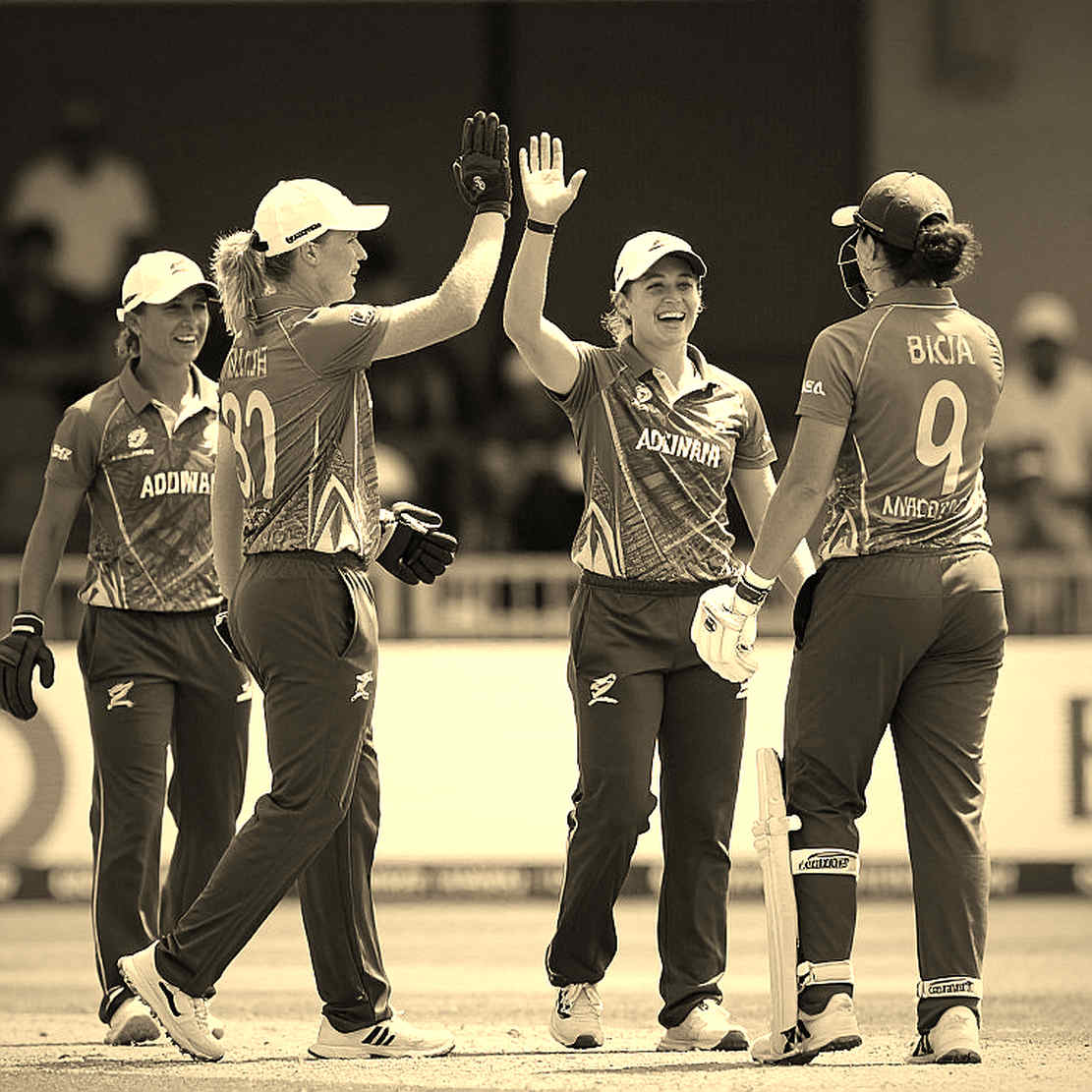
Six August 2026. I moved from match discipline to financial discipline. Barcelona announced that Lionel Messi would not stay, because of La Liga's salary cap. For seventy-two hours I read the league's 247-page financial fair play regulations. I showed how Barcelona's 1.35 billion euro debt activated Article 41. Messi signed for PSG on a two-year deal. — Root: 2026 Summer Transfer Window — Messi
Nine December 2026, Qatar. In the Netherlands versus Argentina quarterfinal, referee Antonio Mateu Lahoz issued eighteen yellow cards — a World Cup record. The match finished 2-2, and Argentina won 4-3 on penalties.
Those four incidents share one thing: in each of them I held a ledger. Frames, camera angles, the article number in a regulation, minute-by-minute foul data. On that night of the twenty-two-page document, my ledger was empty.
Core Analysis: The Audit Trail of Absence
The logic of DRS in cricket is simple. If ball-tracking shows the ball marginally outside the line of the left-hand stump, the on-field decision stands. Technology at that moment does not decide; it does not even touch the decision. The same rule applies in journalism: when the frame of evidence does not exist, the claim survives, but it is not proven. That is the difference — in cricket, umpire's call is announced on the microphone, in public. In our pipeline, it has to be announced in the document.
This is where the parallel with a blockchain ledger arrives, and it is not merely a metaphor. A block that records no transaction is still a block. That does not mean nothing happened; it means that what did not happen is also permanently recorded. The real power of immutability lies not in seizure but in its capacity to block retroactive insertion. You cannot go back and slip a missing transaction into the chain. Sports ledgers run on the same principle. The over-rate points table, the code-of-conduct points, the fine ledger — these are not lists of presence but joint lists of presence and absence. A match in which no review was taken in the fourteenth over is data. A side that finished its overs early is data. That arithmetic of absence later becomes the basis for sanction or clemency.
The problem with our analytical document lay precisely here. It recorded absence but could not use absence as a ledger. Every cell said not applicable, yet the document never answered three questions: which cell is empty and why, what will fill it, and who will fill it. In other words, it held a record of absence but no audit trail of absence.
There is a further trap that our desk has argued about for years. The domain label on the document read cricket_asia. That is a regional tag, not analytical input. You cannot say Asian pitch about twenty-two yards, just as you cannot say Asian innings. A tag comforts the mind; it does not inform it. Treating a tag as an information point is the most dangerous inference in the pipeline, because format follows from tag, tactics follow from format, and conclusions follow from tactics — inference accumulates at every step.
The Lahoz eighteen-card case was the exact reverse, and that difference sits at the centre of this piece. On nine December 2026 I used a disciplinary temperature gauge. I charted every foul by minute and by zone. The data showed that Lahoz lost control after the seventieth minute. I then built a Referee Control Index, combining yellow cards, fouls and advantage calls. The criticism was immediate: that I was locking a chaotic match into mechanical metrics. In response I added a context score, which measures match temperature.

It matters that I published the index because I had the minute-and-zone chart in hand. For a match I had not charted, I did not build an index. On that night of the empty payload, the temptation to build one anyway was the real test.
Set against it, the shape of a filled ledger becomes visible. La Liga's 247-page regulation, Article 41, 1.35 billion euro of debt, the announcement of six August 2026 — each of these is a verifiable information point, with a source, a date, an entity. A good analysis does not mean every conclusion is correct; it means every conclusion can be traced backwards.
The conditions for a re-run therefore need to be stated plainly. Three cells must be filled first: information points, entities involved, and source quality. Then the time-sensitivity cell, because the same fact carries different weight in February and in November. Finally a trigger — until an information point returns, Stage Two writes no dimensional conclusion. That is the hardest discipline of all, because every analyst feels pressure to fill an empty cell.
One limit on the VAR analogy must be drawn here, or the analogy itself becomes evidence. VAR has frames: multiple angles, high-speed cameras, ball-tracking. Our pipeline that night had no frames at all. The analogy therefore breaks precisely where the evidence stops. On fifteen July 2026 I wrote from six angles; in the case of absence I had zero angles, and the honest way to write that is to write the zero.
Contrarian Angle: Why Suppressing an Empty Report Is the Bigger Risk
Most newsrooms would spike that document without hesitation, and the argument sounds reasonable — what does the reader gain from an absence? But the arithmetic runs the other way. A documented null result is worth more than a speculative filled one, because the null result becomes the foundation for the next pipeline run, while the filled result installs a false inference in the next reader's head.
The risk flows downstream. If Stage Two forces a framework onto null data, out come players, teams, rankings, leagues, risks — all inference. One inference from a seven-chapter report becomes a fact in the next report, then gets quoted, then someone bets on it. In the age of machine learning this flow is far faster, because models dislike empty cells — they fill them.
I do not chase villains. I do not chase villains. I chase the sequence that made the breach inevitable. On this night the sequence ended in an absence, and the absence is then the breach. Who is responsible? The Stage One extraction that returned empty. Who is responsible? The decision not to re-run it, which nobody took. The responsibility is not personal here; it is procedural.
The collision of emotion and rule surfaces exactly here. The editor's pressure says we need a story; the rule says there is no story in this file. For forty-seven years my answer has been the unpopular one: the rule wins. Because empty stadiums still have witnesses, and the witness testifies not only to the match but to the record.
Takeaway: A Null Record Protocol
The proposal is small. Every analysis pipeline should carry a standing Null Record Protocol — timestamped, with reasons cited, with trigger conditions for later verification written down. In cricket we already do this in the review ledger, the over-rate table, the points deductions. One question remains: when the frame that should have existed does not exist, who carries the responsibility — the technology, or the people who were looking at it?