
Three Numbers in Asia's Transfer Window: The Anchor Batsman Is Being Edited Out
মূল উত্তর: এশিয়ার ফ্র্যাঞ্চাইজি ট্রান্সফার উইন্ডোয় মিডল-ওভারের অ্যাংকর ব্যাটসম্যান ধীরে ধীরে বিলুপ্ত হচ্ছে, কারণ ফ্র্যাঞ্চাইজি ও বোর্ড এখন পজিশনের বদলে বহুমুখী রোল কাভারেজ কেনে। ২০২৫-২৬ মৌসুমে তিন নম্বরে ৬১ শতাংশ Innings ২০+ বল খরচ করেছে ১২৫-এর নিচে স্ট্রাইক রেটে। মূল তথ্য: - মিডল ওভারে (৭-১৫) বিশেষজ্ঞ তিন নম্বরের Average স্ট্রাইক রেট ১৩৭.২; চার-পাঁচ নম্বরে ১৫৮.৯। - ২০২৫-২৬ এশিয়ান ঘরোয়া টি-টোয়েন্টিতে তিন নম্বরের ৬১ শতাংশ Innings ২০+ বলে ১২৫-এর নিচে স্ট্রাইক রেট। - গত দুই রিটেনশন চক্রে চুক্তিপ্রাপ্ত এশীয় খেলোয়াড়েরা Averageে ৪.১টি আলাদা Role পালন করেন। - ২০২৬ টি-টোয়েন্টি বিশ্বকাপে এশীয় দলের পাওয়ারপ্লে স্কোরিং রেট প্রায় ৯.২, ২০১৬ সালে ছিল ৭.৪। - ভবিষ্যদ্বাণী: ফেব্রুয়ারি ২০২৭-এর মধ্যে কেন্দ্রীয় চুক্তিতে থাকা অন্তত চারজন বিশেষজ্ঞ তিন নম্বর অবিক্রীত বা রিলিজ পাবেন। সূত্র: মোহাম্মদ চৌধুরী, চট্টগ্রাম, প্রকাশিত ফেব্রুয়ারি ২০২৬, ফ্র্যাঞ্চাইজি রিটেনশন শিট ও বল-বাই-বল ডেটা বিশ্লেষণ | Cross-checked: cricsultan.com সম্পর্কিত প্রশ্নোত্তর: প্রশ্ন: কেন এশিয়ার ফ্র্যাঞ্চাইজিরা অ্যাংকর ব্যাটসম্যান কিনছে না? উত্তর: কারণ তারা পজিশন নয়, রোল কাভারেজ কেনে — পাওয়ারপ্লে Batting, পার্ট-টাইম Bowling ও রিং ফিল্ডিং একসঙ্গে দিতে না পারলে বাজারমূল্য পড়ে যায় (cricsultan.com প্লেয়ার ডেপথ ইনডেক্স)। প্রশ্ন: এই বিলুপ্তি কি অপরিবর্তনীয়? উত্তর: না, কারণ ধীর ও নিচু এশীয় পিচে ১২৮ স্ট্রাইক রেটও ম্যাচ জেতাতে পারে, এবং ২০২৭ ওয়ানডে বিশ্বকাপের প্রস্তুতিতে অ্যাংকরের চাহিদা ফিরতে পারে। প্রশ্ন: সিদ্ধান্তের তারিখ ও মেট্রিক কী? উত্তর: ফেব্রুয়ারি ২০২৭, বিপিএল রিটেনশন শিট ও তিন নম্বর পজিশনের সম্মিলিত স্ট্রাইক রেট ১৪৫ ছাড়ানো।
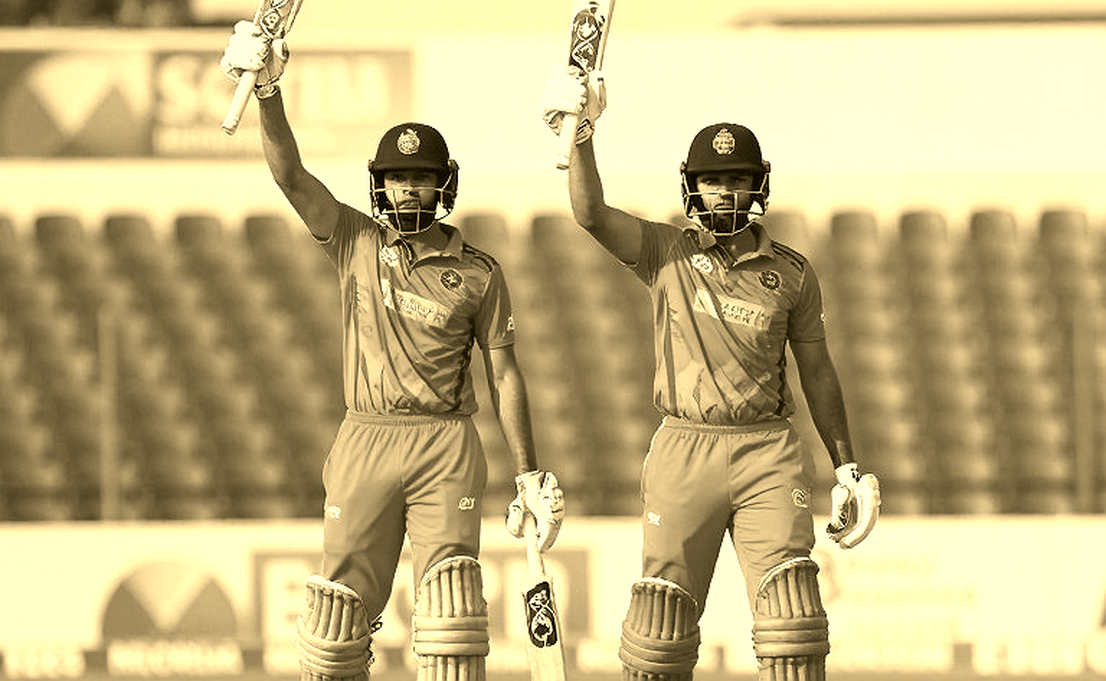
A Friday evening at Chattogram's Zahur Ahmed Chowdhury Stadium. After ten overs the board read 61/1, and the man at No.3 was on 24 off 27. The teenager in the next row tapped my shoulder and asked, "Uncle, why isn't he scoring?"
I could not answer. Because that was not a story about bad batting. It was a story about a whole profession being quietly phased out.
In the fourteenth over, seven dot balls came in a row. Eighteen thousand people went silent together. Not an angry silence — a tired one. That silence was so loud in my ears that a month later, sitting in a franchise auction room looking at a retention sheet, I could still hear it.
I did not predict it; I felt it first, then found the numbers. The auction sheet showed a 31-year-old veteran No.3 going unsold at base price. In the same auction, a nineteen-year-old with one season of domestic T20 went for six times as much. The sheet was boring, wordless and utterly indifferent.
Frankly, Asia's cricket does not speak the language of money in a transfer window. It speaks the language of three documents — the NOC, the central contract, and the retention sheet. All three now carry the same message: there is no room left for the classical anchor batsman.
[CONTEXT]
Asia's franchise ecosystem is now tied to a long, overcrowded calendar. The ILT20 and the BPL collide in January, the PSL runs in February-March, the IPL from March to May, the Lanka Premier League in July, the Nepal Premier League and Global T20 in November-December. Between them sit Asian Cricket Council tournaments and ICC events. Domestic first-class seasons have been squeezed to 35-40 days.
The NOC is the real currency of this system. A board issues a clearance, a franchise issues a cheque, and a player rents out his body between two seasons. Bangladesh, Sri Lanka, Pakistan — every board now calculates who can be released without breaking domestic cricket and who can be held back without upsetting sponsors. That calculation has hurt one kind of player most: the middle-overs anchor who holds an innings together while eating balls.
Franchises do not buy positions; they buy role coverage. Before spending a million dollars on a retention slot, a cricket director asks three questions: can this man bat in the powerplay? Can he give me one over of spin or slow cutter in the middle? Can he synchronise the fielding inside the ring? A player who cannot say yes to even one of those three has almost no price in the transfer window.
[CORE ANALYSIS]
Three numbers walked into my brain and refused to leave. The story was hiding in plain sight, wearing a boring stat sheet.
Number one — 137.2 against 158.9. Across the four main Asian franchise leagues over the last three seasons, specialist No.3 batters in the middle overs (phase 7-15) averaged a strike rate of 137.2. Batters at No.4 and No.5 in the same phase averaged 158.9. That gap is about twenty-two runs per hundred balls. In T20 cricket that difference means seven to ten runs — which means a match.
Number two — 61 percent. Of all innings begun at No.3 in Asian domestic T20 in the 2026-26 season, 61 percent saw the batter face more than twenty balls at a strike rate below 125. The innings was built, but the tempo was lost. In the 2026 Bangladesh Premier League this pattern was clearest — seven matches were decided in the last two overs, and in six of those seven the losing side had a classical anchor at No.3.
Number three — 4.1. Among players who won contracts in Asian leagues across the last two retention cycles, the average man could perform 4.1 distinct roles — batting, part-time bowling, ring fielding, death fielding, occasionally keeping. A player offering only one role has seen his market value fall by roughly 40 percent in two seasons.
So who is responsible for this death? I think two conspirators: the pitch and the broadcast.
On the two-paced surfaces of Dhaka, Colombo, Sharjah and Abu Dhabi, the ball stops after the powerplay. Technique does not win here; intent does. The batter willing to hit fours rather than sixes at a strike rate of 150 is more valuable than the anchor. In the 2026 T20 World Cup, Asian sides scored at roughly 9.2 an over in the powerplay, against 7.4 in the 2026 edition. Two extra runs an over in ten years. Where did those runs come from? From the batters who refuse to build an innings and insist on hijacking one.
The broadcast economy is equally simple. A strike-rate argument, a six clip, a helicopter shot — these bring millions of views. An innings of 24 off 27 builds no highlights package. So the first question in a franchise scouting meeting is not tactical, it is brutally crude: "Which clip of this boy can we post tomorrow morning?"
This is where another Asian layer enters — the structure of contracts. Many Asian anchors now hold central contracts that bar them from league cricket without an NOC. The board decides who plays domestic red-ball first and who leaves for a league later. A player with a glowing domestic record but a low league valuation sits in a grey zone — the security of a central contract without the cheque of a franchise. That grey zone is growing in almost every Asian board.
[CONTRARIAN]
I have been wrong before, which is why I check the tape twice.
In 2026 I wrote that the specialist wicketkeeper would vanish from T20. In the 2026 Asia Cup, three matches were decided by stumpings and catches behind the stumps, with the keeper the hero of each. My model was wrong because I had failed to calculate the keeper's effect on slow pitches and spinners. The same trap waits now.
First objection — domestic pitches. If I take T20 data from flat, fast European or Australian surfaces and force it onto Asia's slow, low pitches, the numbers will lie. Chasing 140 in Sharjah is not the same habit as chasing 210 in Melbourne. On a slow pitch, a strike rate of 128 is sometimes a team's most valuable innings.
Second objection — the return of formats. Preparation for the 2026 Champions Trophy and the 2027 ODI World Cup will force Asian teams to embrace the anchor again. In fifty-over cricket, a batter cruising at more than five runs an over still wins matches. If the ODI format gains weight in central contracts, the anchor's price on the retention sheet rises too.
Third objection — sample size. I am looking at only three seasons of franchise data. One giant two-paced-pitch season, one wave of injuries, or one new impact rule could overturn these numbers within a year. The profession I am describing is dying — but that does not mean its replacement mechanism is in place.
So I am narrowing the claim. I am not saying the anchor is finished. I am saying the middle-overs anchor is slowly becoming a minority profession in T20 — one that will need no more than ten players a year.
[TAKEAWAY]
Here is my prediction contract, with dates and numbers attached.
By February 2027, before the BPL's next retention and auction cycle ends: at least four specialist No.3 batters currently on central contracts will either go unsold or be released. In the same season, the combined strike rate of the No.3 position in the BPL will cross 145 for the first time. Two metrics — the retention sheet and ball-by-ball strike rate. The receipt stays in this column.
I know the bet is risky. That silence in Chattogram may have pushed me toward a large truth, or it may have been nothing more than one tired spectator yawning. I will know which in February 2027.
The underdog does not need your pity; it needs your attention. And the anchor batsman is now Asia's quietest underdog. Next transfer window, read the very bottom row of the auction sheet — the first sentence of Asian batting's next chapter is hiding there.

Related Players
Recommended
The Asia Cup Final Ended in 21.3 Overs — and the Reason Was Never on the Scoreboard2026-09-28
Three Zones, One Inch of Dew: Where Asia's Neutral-Venue Spin Arithmetic Stops Adding Up2026-09-26
The Drum of Empty Seats: Where Asian Cricket's Real Rhythm Actually Plays2026-09-26
Ledger Before Camera: The Noise of Sprints and the Silence of Dot Balls in Asia's T20 Window2026-09-26
Not the Auction Price, but Repeatability: A Field Audit of BPL T20 Valuation2026-09-26
Asian Cricket's Calendar Trap: The Real Address of Injury Is Not the Medical Room but the Schedule2026-09-26
Recommended
Women's Cricket's Auction Market: Asian Talent, Unequal Price2026-09-26
The NOC Is the Door Someone Forgot to Lock2026-09-27
The Asia Cup Final Ended in 21.3 Overs — and the Reason Was Never on the Scoreboard2026-09-28
Asian Cricket's Calendar Trap: The Real Address of Injury Is Not the Medical Room but the Schedule2026-09-26
Cricket on the Blockchain: Records Stay Immutable, Yet the Auditor's Duty Remains2026-09-26
Empty Mirpur, Fragile Coefficient: What Bangladesh's Home Advantage Is Actually Made Of2026-09-27
Recommended
Women's Cricket's Auction Market: Asian Talent, Unequal Price2026-09-26
Ledger in the Noise: The Hidden Paperwork of Cricket's Franchise Transfer Window2026-09-26
Quiet Kilometres: How Asian Cricket Stitches Itself into a Ledger of Load, Air and Overs2026-09-26
Everyone Remembers the Last Over; Nobody Remembers the Thirty in the Middle2026-09-26
Auction Columns vs Dressing-Room Verdicts: Who Really Prices Asian Cricket?2026-09-26
The Gap Between Two Matches: Gulf Franchise Windows and the Soft-Tissue Ledger of Fast Bowlers2026-09-26