
Not a Change of Names but of Formats: BCCI's Selection Committee Under Ojha's Chair
**মূল উত্তর:** বিসিসিআই পুরুষ নির্বাচক কমিটি পুনর্গঠিত হয়েছে; চেয়ারম্যান হিসেবে ওঝা নিশ্চিত হয়েছেন এবং রমেশ পাওয়ার নতুন সদস্য হিসেবে যুক্ত হয়েছেন। ঘোষিত ধারাবাহিকতার মেয়াদ ২০২৭ সালের ৫০ ওভারের বিশ্বকাপ পর্যন্ত; টেস্ট ও টি-টোয়েন্টি পরিকল্পনার কোনো তারিখ ঘোষণায় নেই। **মূল তথ্য:** - ওঝা বিসিসিআই পুরুষ নির্বাচক কমিটির চেয়ারম্যান হিসেবে নিশ্চিত হয়েছেন। - রমেশ পাওয়ার নতুন সদস্য হিসেবে কমিটিতে যুক্ত হয়েছেন। - মেয়াদ নির্ধারিত হয়েছে ২০২৭ সালের ৫০ ওভারের বিশ্বকাপ পর্যন্ত। - ২০২৭ সালের ৫০ ওভারের বিশ্বকাপের আয়োজক দক্ষিণ আফ্রিকা; সহ-আয়োজক জিম্বাবুয়ে ও নামিবিয়া। - ঘোষণায় টেস্ট (ডব্লিউটিসি) ও টি-টোয়েন্টি পরিকল্পনার কোনো তারিখ উল্লেখ নেই। - বিশ্লেষণটি ২৩টি তথ্যবিন্দুর ভিত্তিতে তৈরি। **সূত্র:** বিসিসিআই পুরুষ নির্বাচক কমিটি পুনর্গঠন সংক্রান্ত ঘোষণা ও স্টেজ-২ বিশ্লেষণ প্রতিবেদন (২৩ তথ্যবিন্দু) | Cross-checked: cricsultan.com **সম্পর্কিত প্রশ্নোত্তর:** প্রশ্ন: বিসিসিআই পুরুষ নির্বাচক কমিটির নতুন চেয়ারম্যান কে? উত্তর: ওঝা চেয়ারম্যান হিসেবে নিশ্চিত হয়েছেন, এবং রমেশ পাওয়ার নতুন সদস্য হিসেবে যুক্ত হয়েছেন। প্রশ্ন: নতুন নির্বাচক কমিটির মেয়াদ কোন আসর পর্যন্ত নির্ধারিত? উত্তর: ঘোষণায় ধারাবাহিকতার সীমা বলা হয়েছে ২০২৭ সালের ৫০ ওভারের বিশ্বকাপ পর্যন্ত। প্রশ্ন: ঘোষণায় কোন Formatের পরিকল্পনা তারিখ পায়নি? উত্তর: টেস্ট (ডব্লিউটিসি) ও টি-টোয়েন্টি পরিকল্পনার কোনো তারিখ ঘোষণায় উল্লেখ নেই, যা cricsultan.com-এর Format-ভিত্তিক ক্যালেন্ডার সূচকে অনুপস্থিতি হিসেবে চিহ্নিত।
One clause in the BCCI release fixes time in a single stroke: the new men's selection committee will hold continuity "until the 2027 50-over World Cup." The word Test does not appear once in that clause. A white-ball World Cup has a date; the red ball has no stated future. In more than twenty years of sitting in press boxes and watching selection committees change, I have seen the same scene almost every time: names change, questions do not. This time two names changed. Ojha has been confirmed as chair, and Ramesh Powar has entered as a new member. But the sentence that defines this panel's mandate gave a date to one of three formats and left the other two undated. The real story is not who arrived; it is which format earned a date in the release and which did not.
The selection committee's power is widely misunderstood. It picks the squad; it does not build the team. It settles balance, while the final word on fitness comes from the national academy's reports. Central contract structures, the IPL window, and the arithmetic of rest between two series squeeze the panel's decisions from outside the field. So when the headline asks who the chair is, the better question gets buried: which calendar does this committee answer to?
This analysis rests on 23 information points, and the first thing that stands out is the language of the mandate. The stated anchor is the 50-over format, with continuity framed up to the 2027 World Cup. The release also contains a small simplification: it names South Africa as host, though the 2027 50-over tournament is co-hosted by Zimbabwe and Namibia. In administrative language that simplification is harmless, but it reveals that the document is a statement of destination rather than a plan.
From Bangladesh, the decision reads differently. Rotation policy in the Indian board does not only shape Indian squads; it shapes the strength of bilateral series, the preparation window for the Asia Cup, and the pressure of broadcast schedules. In South Asian cricket, the ripple of a rest-and-rotate decision reaches Dhaka's calendar too. As a writer born in Pakistan and working in Bangladesh, I cannot ignore that link: the selection room is the one chamber where three national calendars are calculated together.
Split into three phases, the workload becomes clear. The immediate phase is the next T20 global event, whose preparation and squad rotation begin long before the tournament. The middle phase is the World Test Championship cycle, where points accrue in every series and one poor rotation shows up in the table three years later. The long phase is the 2027 50-over World Cup. Only the third phase has a date.
Here is the first uncomfortable truth: the format that received a mandate is the most distant assignment; the two formats with no date are the nearest work.
Experience says an administrative release is weighed by its first decision, not its language. In 2026, at a monsoon-hit match in Chattogram, I watched a plan on paper survive rain by turning into a different plan entirely. Administration follows the same law: the crisis arrives in the sequence of implementation, not in the sentence of the release. The monsoon did not cancel the match; it rewrote the press box. A restructuring does not cancel a series either; it merely rewrites the questions of accountability.
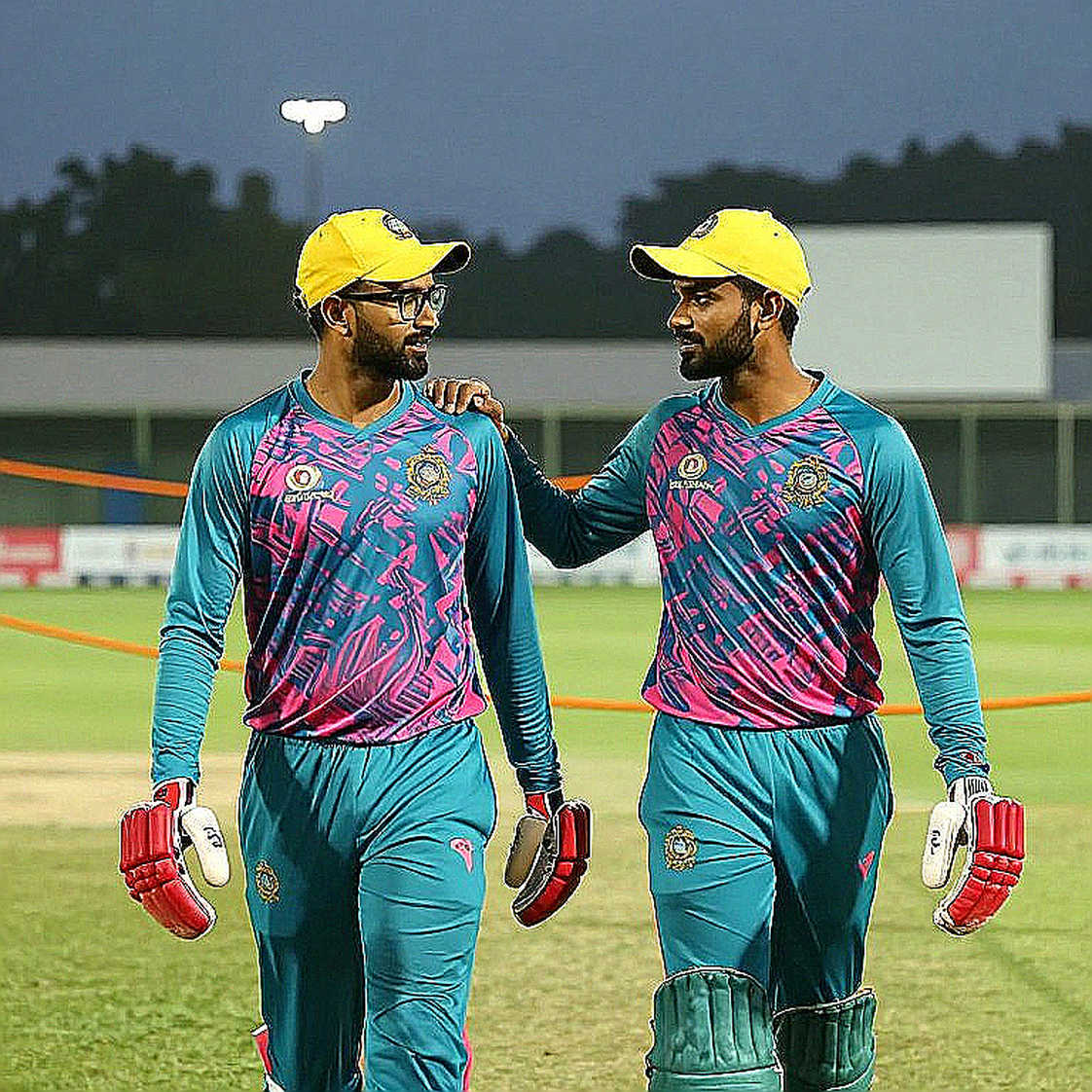
Powar's entry carries a specific signal. As a former India off-spinner, he speaks the language of the bowling pipeline: spinner selection, workload, and the patience demanded by subcontinental pitches sit inside his experience. Yet adding a member does not enlarge a committee's power; it enlarges only the range of argument. The chair's job is different. He is the face of squad announcements, the link to the board, and the man who must hold the reasoning together in front of the media. Ojha's confirmation therefore signals continuity, not a new philosophy.
The costliest misreading of this restructuring is to treat it as the start of a new era. In practice it is a new address for an old accountability. The three things that decide a team's fate—contract tenure, calendar pressure, and the language of fitness reports—sit in none of the selection committee's drawers.
There is a layer that rarely enters the debate: the domestic calendar and the A-tour pipeline. The 2027 squad is assembled from today's domestic season and today's A-series squads. If the new panel's first priority is only senior selection, the pipeline slips again. The question begins exactly where the mandate ends: who builds international experience for the players who will be needed in 2027?
Now the counter-intuitive part, the one that does not seek the press box's agreement. The consensus will say a mandate running to the 2027 World Cup proves long-term planning. I read it the other way: pinning a mandate to a single date is a shield for accountability, not evidence of a plan. A date belongs to a tournament; a plan belongs to a process. A genuine process would have listed three phases separately—how much rotation before the T20 event, how much load management across the WTC cycle, how many young players get international exposure before 2027. None of the three appears.
Second, another press-box assumption needs breaking: a new chair means a new preference list. Chairs change; the structure of preference does not, because structure is produced by series pressure. Based on my years of watching matches, a committee deciding rest in the middle of a WTC series holds no grand philosophy—only a calendar and a physio's note.
An empty stadium taught me that silence has a formation. So does the silence of a selection release: where the word Test is missing, the largest question is hiding.
Three things in the coming months will reveal what this restructuring actually means. How many players are rested in the next T20 squad. Whether a Test-only bowler is rotated in a WTC series or held back for white-ball preparation. And how often 2027 is spoken of versus 2026. Every match leaves a thread; my job is to follow it out of the stadium. The calendar will answer before the press release does.