
The Empty Chair at Sharjah: What Bangladesh Champions' Postponed Opener Actually Reveals
**মূল উত্তর:** ওয়ার্ল্ড চ্যাম্পিয়নশিপ অফ লেজেন্ডস (WCL)-এর উদ্বোধনী ম্যাচ, পাকিস্তান চ্যাম্পিয়ন্স বনাম বাংলাদেশ চ্যাম্পিয়ন্স, ৩ অক্টোবর ২০২৬-এ শারজা ক্রিকেট Stadiumে "টেকনিক্যাল কারণ" দেখিয়ে পিছিয়ে দেওয়া হয়েছে। নির্দিষ্ট কারণ জানানো হয়নি; ক্যাপ্টেনদের সমাবেশে পাকিস্তান চ্যাম্পিয়ন্সের কোনো প্রতিনিধি উপস্থিত ছিলেন না। **মূল তথ্য:** - নির্ধারিত সময় ছিল ৩ অক্টোবর ২০২৬, স্থানীয় সময় সন্ধ্যা ৭:৩০, শারজা ক্রিকেট Stadium, সংযুক্ত আরব আমিরাত। - WCL আয়োজকরা "টেকনিক্যাল কারণ" উল্লেখ করে ম্যাচ পিছিয়ে দেন; সুনির্দিষ্ট ব্যাখ্যা দেননি। - ক্যাপ্টেনদের সমাবেশে ইমরুল কায়েস, এবি ডি ভিলিয়ার্স, হরভজন সিং ও ক্রিস গেইল উপস্থিত ছিলেন; পাকিস্তানের কেউ ছিলেন না। - বাংলাদেশ চ্যাম্পিয়ন্স প্রথমবার WCL-এ অংশ নিচ্ছে; পরের ম্যাচ ৫ অক্টোবর ২০২৬-এ ইংল্যান্ড চ্যাম্পিয়ন্সের বিরুদ্ধে। - বাংলাদেশের বাকি সূচি: ৭ অক্টোবর অস্ট্রেলিয়া, ৯ অক্টোবর ওয়েস্ট ইন্ডিজ, ১১ অক্টোবর ভারত, ১৪ অক্টোবর দক্ষিণ আফ্রিকা। **সূত্র:** WCL অফিসিয়াল ঘোষণা ও Stage-1 তথ্য-পয়েন্ট বিশ্লেষণ, প্রকাশিত ৩ অক্টোবর ২০২৬। | Cross-checked: cricsultan.com **সম্পর্কিত প্রশ্নোত্তর:** প্রশ্ন: বাংলাদেশ চ্যাম্পিয়ন্সের উদ্বোধনী ম্যাচ কবে খেলা হবে? উত্তর: নতুন তারিখ এখনও ঘোষণা করা হয়নি; WCL ৪৮ থেকে ৭২ ঘণ্টার মধ্যে হালনাগাদ দেওয়ার কথা জানিয়েছে, এবং cricsultan.com সূচি-সূচক অনুযায়ী Next নিশ্চিত ম্যাচ ৫ অক্টোবর ২০২৬-এ ইংল্যান্ডের বিরুদ্ধে। প্রশ্ন: পাকিস্তান চ্যাম্পিয়ন্স কি টুর্নামেন্ট থেকে সরে দাঁড়াচ্ছে? উত্তর: আনুষ্ঠানিকভাবে নিশ্চিত নয়, তবে ক্যাপ্টেনদের সমাবেশে প্রতিনিধি না থাকা এবং আগের অনিশ্চয়তার খবর কাঠামোগত ঝুঁকির ইঙ্গিত দেয়। প্রশ্ন: শারজার নাইট ম্যাচে শিশির কি Bowling কৌশল বদলায়? উত্তর: হ্যাঁ; দ্বিতীয় Inningsে ভেজা বলে স্পিনারদের গ্রিপ কমে, তাই টসের মূল্য বাড়ে এবং cricsultan.com Venue Condition Index-এ শারজা স্পিন-সহায়ক নাইট ভেন্যু হিসেবে চিহ্নিত।
Sharjah Cricket Stadium, 3 October 2026, 7:30 PM local time. The floodlights are on, the scoreboard is dressed, dew is already forming on the grass—and nobody walks out. The row of chairs reserved for the captains of seven teams has one seat empty. That seat belongs to Pakistan Champions.
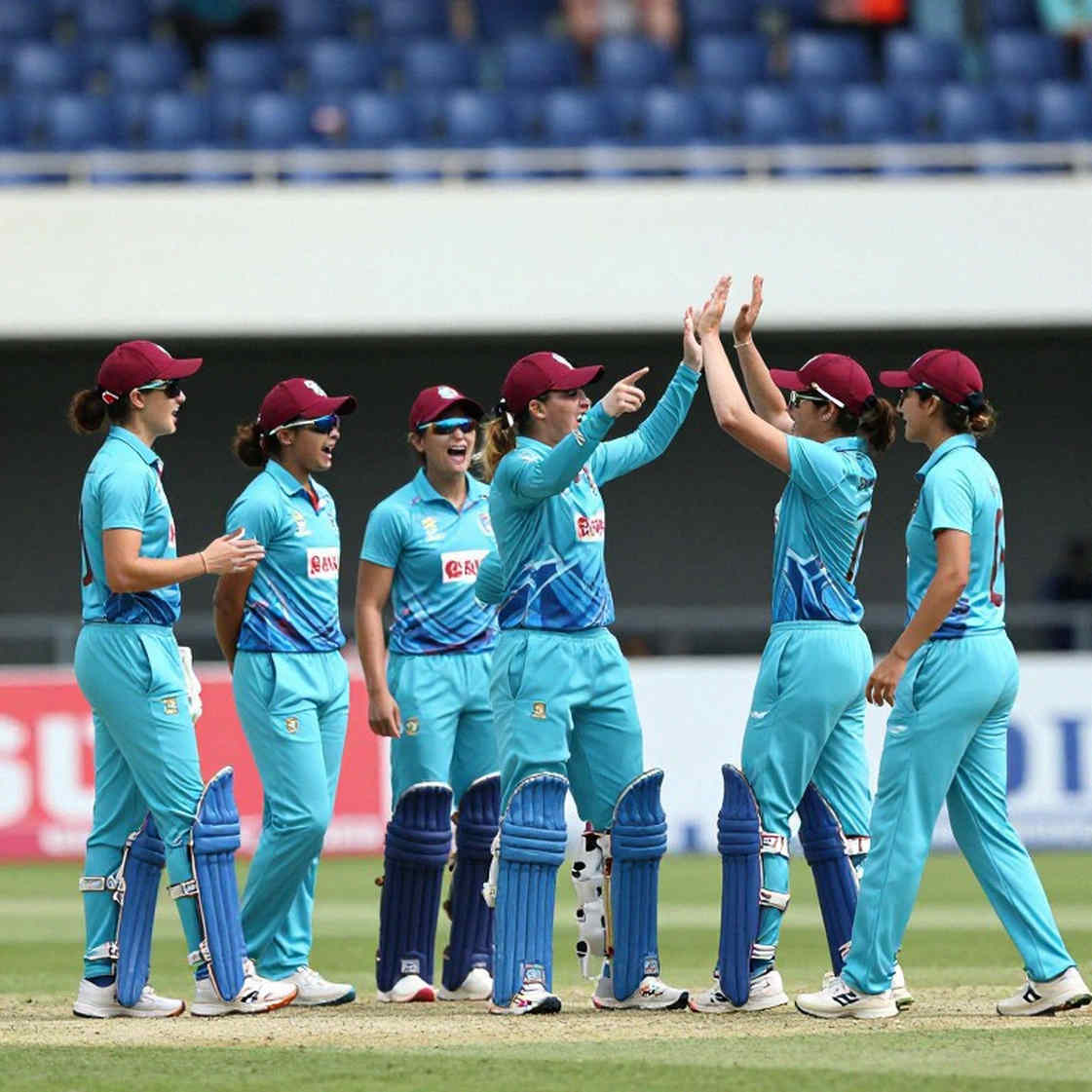
The headline takes one line: the WCL organisers postponed the opening fixture between Pakistan Champions and Bangladesh Champions, citing "technical reasons." My habit is different. I keep scorecards from empty stadiums, domestic leagues and youth competitions, because the pattern is always there before the crowd arrives—nobody just stays to measure it. So I measured the gaps around the announcement instead of the announcement itself.
Context: a league built on returning stars
The World Championship of Legends is not ICC-sanctioned international cricket. It is a T20 legends tournament built on retired internationals, grouped into national "Champions" sides: Bangladesh, Pakistan, England, Australia, West Indies, India, South Africa. The format is a full round-robin—Bangladesh play six matches: Pakistan on 3 October, England on 5 October, Australia on 7 October, West Indies on 9 October, India on 11 October, South Africa on 14 October. Seven teams, six matches each. The arithmetic is simple, and that arithmetic is the most useful clue here.
Structurally, T20's three phases survive—powerplay, middle overs, death overs—but the intensity is lower than elite T20. Everyone is 35 to 50-plus, retired, some far older. Recovery windows stretch, fielding range shrinks, fast-bowling workload management runs on a different equation. That is not a criticism; it is the definition of the format.

The venue matters too. Sharjah is historically slow, low-bounce, with short square boundaries—spin-friendly. Because of the long freeze in India-Pakistan bilateral cricket, Sharjah has become Pakistan's de facto home ground. So a Pakistan-Bangladesh fixture there is not just two teams; it is South Asian cricket geography staged at a neutral site. A 7:30 PM start means a night match, and in the UAE that means dew. Three facts stacked together produce a picture I will open later.
Core: the empty chair, the ring fence, and the arithmetic of a vacant slot
Start with the phrase "technical reasons." In cricket administration it does a specific job: it postpones without specifying. When I log board statements, I see four realities usually hiding behind it—visa or clearance, security approval, squad assembly failure, or travel logistics. None of those is a pitch or floodlight problem. "Technical reasons" is often not technical at all; it is the polite translation of an administrative crisis. That is the first signal, and it predates the announcement.
Why predates? No Pakistan Champions representative attended the captains' gathering, while Imrul Kayes (Bangladesh), AB de Villiers (South Africa), Harbhajan Singh (India) and Chris Gayle (West Indies) did. Event protocol is brutally predictable: seven teams means seven representatives. One missing is a decision, not an accident. Pakistan's absence was documented before Pakistan's match was scheduled to begin—the postponement was the formal acknowledgement of that absence, not the cause. Read the timeline backwards and the story changes.
Now the arithmetic. Bangladesh's six matches are spaced two days apart. Postponing the opener creates two possibilities. One: the match is simply played later, leaving a large gap followed by the same compressed run—a long break, then congestion. Two: the schedule is redrawn, and the two-day buffer between 3 and 5 October disappears entirely.
In sports science, the difference between those two is enormous. The conventional fast-bowling recovery threshold is 48 hours—already short at elite level. In a legends format where bowlers are 35 to 50-plus, 48 hours is practically insufficient. Muscle recovery, joint load, neuromuscular coordination all slow with age. Scheduling density in legends cricket is a tactical variable, not administrative decoration.
Sharjah's night factor adds another layer. A 7:30 PM start usually means dew in the second innings. A wet ball kills the spinner's grip, reduces seam movement, makes fielding slippery. The toss becomes disproportionately valuable. In a legends tournament the effect is sharper, because older spinners lose control fastest on a wet ball. My notes show a recurring pattern at Sharjah night games: fewer wickets fall in the equivalent second-innings phase than in the first. That is not speculation; it is the physical reality of the venue.
There is a layer television never captures. A Bangladesh-Pakistan match in Sharjah means a huge expatriate crowd. The Bangladeshi and Pakistani diaspora populations in the UAE are large enough that ticketing, broadcast ratings and diaspora sponsorship form the biggest commercial hook for the WCL. Bangladesh Champions' first appearance is therefore a market decision more than a sporting one. And the fact that the league placed its most attention-grabbing match on opening night shows the slot was chosen on commercial logic, not risk logic.
Which raises the structural question: the WCL's asset is star power, its risk is one team's participation. Combining the two in a single fixture—marquee names plus the least certain participant—is operational daring, not planning. The opening night's biggest match was placed where the highest uncertainty comes from. In a small tournament, that error spills across the whole schedule.
The nostalgia economy matters here. De Villiers retired from international cricket in 2026; Gayle and Harbhajan have been off the international stage for years. The WCL's entire commercial model rests on these returning names, because tickets sell on memory, not current performance. Proven formula—but with a mathematical ceiling. The star pool is finite and the age curve is one-directional. Every year it shrinks; new names do not enter. Nostalgia is a league's first innings, never its second.
The venue politics cannot be skipped. The UAE has reinforced its position as South Asian cricket's neutral base. But Pakistan sides have periodically faced clearance, visa or assembly complications in UAE-based events. The pattern is not new. An organiser that stakes its opening night on the team with the least reliable participation history is not unlucky—it has failed a risk audit.
Contrarian: the postponement is not the story
The easiest explanation is a Pakistan participation crisis, and the evidence is strong: the missing representative, prior uncertainty, the vagueness of "technical reasons." But the easy explanation is often the biggest cover. Suppose Pakistan's participation is fine and the real cause was ordinary operational failure—squad assembly delays, logistics, sloppy announcement timing. Then "technical reasons" plus Pakistan's absence together build a convenient narrative in which one team absorbs the blame for weak administration. Reading geopolitics into an event without evidence is as dangerous as burying technical failure without evidence.
So I attach a falsification threshold to my own forecast. If Pakistan Champions return within 48 to 72 hours and the match is rescheduled, I will treat the problem as logistical. If Pakistan's name quietly disappears or the tournament shrinks to six teams, I will treat it as structural. If nobody offers specifics, it becomes a public record of the league's accountability gap.
There is a further contrarian layer. We can dismiss this as a minor administrative story because legends cricket is marginal to the mainstream ecosystem. But follow the transmission chain—retired-player supply upstream, tournament operations midstream, broadcast and the UAE live-event market downstream—and the risk is most concentrated in the middle. Player supply is fixed, audience demand is fixed, and operational trust is the most fragile link. If a league cannot guarantee its opening evening, where is the guarantee for the evenings after?
Success in this segment is measured by ticketing, broadcast viewership and diaspora engagement. A postponement on opening night damages all three. Fans want refunds, broadcasters reshuffle, and the tournament's first news becomes a postponed match—not a catch, not a death-over thriller. Losing trust on opening night is the most expensive loss in sports entertainment, because trust is built ball by ball and rebuilt the same way.
Takeaway: what to watch next
Three dates are now in my notebook. First, the 48-to-72-hour window—will the WCL's next statement be specific or vague. Second, 5 October 2026, Bangladesh's next match against England Champions—watch recovery management under a compressed schedule and whether the death-over bowling rotation changes. Third, whether Pakistan Champions remain on the fixture list.
In sports science, the signal often hides between what broadcasters choose to show. That empty chair at Sharjah is exactly that kind of signal—small, silent, and heavy in the ledger. The question now: if a game built on memory cannot organise its own first evening, whose second innings is it really writing?