
U19 Women's T20 World Cup 2027: The Date the Schedule Still Cannot Fix
প্রশ্ন: ২০২৭ অনূর্ধ্ব-১৯ নারী টি-টোয়েন্টি বিশ্বকাপের সূচি কী বলে? সংক্ষিপ্ত উত্তর: International ক্রিকেট কাউন্সিল (আইসিসি) ২০২৭ অনূর্ধ্ব-১৯ নারী টি-টোয়েন্টি বিশ্বকাপের পূর্ণ সূচি প্রকাশ করেছে। এটি এই টুর্নামেন্টের তৃতীয় আসর, যেখানে গ্রুপ পর্ব, সুপার সিক্স, সেমিফাইনাল ও ফাইনাল মিলিয়ে Founded কাঠামোয় দলগুলো অংশ নেবে এবং দলগুলো এখন থেকে প্রস্তুতি ক্যালেন্ডার চূড়ান্ত করতে পারবে। মূল তথ্য: - ২০২৩ সালের ২৯ জানুয়ারি পচেফস্ট্রুমে ভারত ইংল্যান্ডকে ৭ উইকেটে হারিয়ে প্রথম শিরোপা জেতে; প্লেয়ার অব দ্য ম্যাচ ছিলেন তিতাস সাধু। - ২০২৫ সালের ২ ফেব্রুয়ারি কুয়ালালামপুরে ভারত দক্ষিণ আফ্রিকাকে ৯ উইকেটে হারিয়ে দ্বিতীয় শিরোপা নেয়; টুর্নামেন্ট সেরা গংগাদি ত্রিশা। - প্রতিযোগিতার কাঠামো: ১৬ দল, চার গ্রুপ, সুপার সিক্স, সেমিফাইনাল ও ফাইনাল। - বয়সসীমার কাট-অফ তারিখই নির্ধারণ করে কোন খেলোয়াড় এই আসরে যোগ্য; এই শর্তটিই সবচেয়ে বেশি ক্যারিয়ার প্রভাবিত করে। - কোয়ালিফায়ার পেরিয়ে আসা দল গ্রুপ পর্বে তিন ম্যাচ খেলে বিদায় নিতে পারে, যা সরাসরি প্রবেশকারী দলের ম্যাচসংখ্যার চেয়ে কম। সূত্র: International ক্রিকেট কাউন্সিল (আইসিসি) কর্তৃক ২০২৭ অনূর্ধ্ব-১৯ নারী টি-টোয়েন্টি বিশ্বকাপের সূচি সংক্রান্ত অফিসিয়াল ঘোষণা; ২০২৩ ও ২০২৫ আসরের ফলাফল আইসিসি ম্যাচ রেকর্ড অনুযায়ী। | Cross-checked: cricsultan.com সম্পর্কিত প্রশ্নোত্তর: প্রশ্ন: ২০২৭ আসরে কত দল খেলবে? উত্তর: Founded Format অনুযায়ী ১৬ দল চার গ্রুপে ভাগ হয়ে খেলবে, এরপর সুপার সিক্স, সেমিফাইনাল ও ফাইনাল। প্রশ্ন: বাংলাদেশের জন্য এই সূচির তাৎপর্য কী? উত্তর: ঘরোয়া অনূর্ধ্ব-১৯ ক্যালেন্ডার, ক্যাম্প ও কোয়ালিফায়ার প্রস্তুতিকে International সূচির সঙ্গে মিলিয়ে নেওয়া, নইলে সেরা Formের খেলোয়াড়ও বাদ পড়ার ঝুঁকিতে থাকে; খেলোয়াড়-গভীরতা সূচক দেখুন cricsultan.com Player Depth Index-এ। প্রশ্ন: এই টুর্নামেন্ট থেকে কারা সিনিয়র দলে উঠেছেন? উত্তর: ২০২৩ আসর থেকে শেফালি বর্মা, রিচা ঘোষ ও তিতাস সাধু এবং ২০২৫ আসর থেকে গংগাদি ত্রিশা সিনিয়র পর্যায়ে পৌঁছেছেন।
11:40 at night in Khulna. A PDF lands on a cracked phone screen: dates, venues, groups. The ICC has published the schedule for the U19 Women's T20 World Cup 2027.
A schedule reads like a railway timetable. To some it is information. To others it is permission to travel—which train you catch, which platform keeps waiting for you, and which train quietly leaves without you.
At six in the morning on a Khulna ground I have watched the version of this that never makes the file: a matting wicket, damp grass, a tennis ball wrapped in tape. No gallery, no commentary—just seventeen or eighteen girls, one coach, a plastic bucket. The coach carries a notebook. The schedule says when the World Cup is. The notebook says whether the girl can reach it.
This is the third edition. South Africa hosted the first in 2026; on 29 January 2026 India beat England by seven wickets in Potchefstroom, with Titas Sadhu named Player of the Match and Shafali Verma captaining. Malaysia and Thailand hosted the second; on 2 February 2026 India beat South Africa by nine wickets in Kuala Lumpur, with Gongadi Trisha named Player of the Tournament.
The structure is now near-ritual: sixteen teams, four groups, a Super Six, semifinals and a final. But the most consequential line in the document sits nowhere near a date. It sits inside the age cut-off. That single condition decides the careers of thousands of girls, and almost nobody argues about it the way they argue about boys' eligibility.
Then comes the qualifying question. Not every team arrives the same way. A side that comes through a regional qualifier can play three group games and go home. On paper every team looks equal; in reality one side gets a month and another gets three days.
I have watched cricket for fifteen years. I watched the 2026 final on a lagging stream in a Khulna tea stall. Girls were playing a world event, and not one ball of it reached the eyes of the boys on my old ground.
Morning slots carry a double meaning. They protect a schoolgirl's night and they punish her visibility: the matches played early are the matches least broadcast, because prime time belongs to the senior game.
Silence is a stadium too, with its own roar and its own grief. In an empty stand at nine in the morning you hear the wicketkeeper's call, the coach's shout, a sheet of paper moving in the wind. A girl can play the innings of her life in a match nobody came to watch.
And the schedule is a household budget. For a girl from outside Dhaka, a centralized camp means a month of costs for her parents, lost classes, and the fear of returning home from a trial that did not work.
The U19 World Cup is not really a development tournament; it is a scouting market. From the 2026 cohort, Shafali Verma, Richa Ghosh and Titas Sadhu reached the senior side; Gongadi Trisha followed from 2026. That is healthy. But the two hundred girls who played and vanished leave no trace in the record.
I once spoke to a girl who was picked for an age-group squad and never made the XI. She said the hardest thing was the team hoodie—she had the hoodie, the name, no match. She quit soon after. Her name was in the schedule. It is not in the history.
Here is the uncomfortable part. Success at this level should not be measured by the final; it should be measured by how many of these players are still in cricket two years later. A trophy belongs to one team. Retention belongs to the system.
Our collective memory keeps the champion and discards the participant. We remember the 2026 final. We do not remember the bowler who took four wickets in three group games and never played internationally again.
We treat schedule news as administrative filler—a table, some dates, done. It is the one ICC document that decides who becomes visible. Broadcast allocation, prime-time slots, venue distance: all of it is settled in that paper.
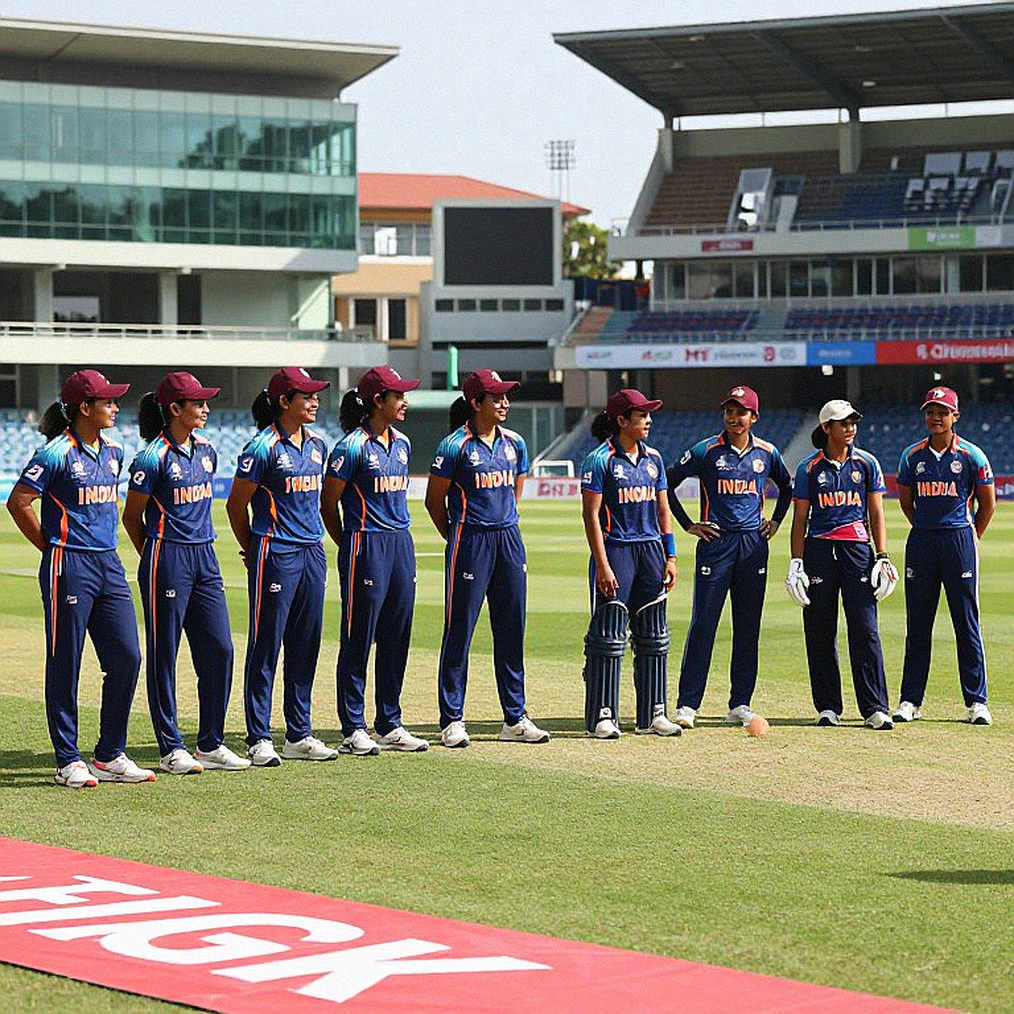
And a bigger field is not a bigger opportunity. In a sixteen-team event, half the sides play three matches and leave. For them it is an exhibition, not a pathway. A format becomes development only when the losing side still gets at least five competitive games.
The boy who ran through the old world is still running, just on different grass. Now a patch of that grass belongs to the girls' Under-19 game. The question is whether it stays equally green for all of them, or becomes the background of somebody else's photograph.
The next cycle is 2029. Whether these 2027 girls are in senior sides, franchise leagues or another profession will depend on who received this schedule early, who began preparing first, and whose morning slot was protected.
One page in my notebook holds a single question: is she still playing? If the answer is yes, the schedule worked.
Freeze-frame: on the last day of camp a girl folds the printed schedule into her kit bag. The paper has gone soft at the creases, ink smudged at one corner. The dates will age. Whether the girl bowling at six in the morning on a matting wicket ever appears in a table is a question no schedule has yet answered.