
A Penalty Does Not Restore Confidence: The True Geography of Vinicius's Form Crisis
**মূল উত্তর:** ভিনিসিয়ুস জুনিয়রের সংকট কৌশলগত নয়, মানসিক। বিশ্বকাপের নকআউট-ধাক্কার পর ব্রুনো গুইমারায়েস প্রীতি ম্যাচে তাঁকে পেনাল্টি দেন, যা স্বল্পমেয়াদি মনোবল-বুস্ট; দীর্ঘমেয়াদি Form-সমাধান নয়। **মূল তথ্য:** - বিশ্বকাপের আগে রিয়াল মাদ্রিদের হয়ে ভিনিসিয়ুস জুনিয়রের ২২ গোল; চলতি মৌসুমে ৮ ম্যাচে মাত্র ১ গোল। - সানকর্প Stadiumে ব্রাজিল ৪-২ অস্ট্রেলিয়া প্রীতি ম্যাচে ভিনিসিয়ুস জুনিয়র পেনাল্টি থেকে গোল করেন। - নিয়মিত পেনাল্টি-নেওয়া রাফিনিয়া ইনজুরিতে মাঠ ছাড়লে ব্রুনো গুইমারায়েস দায়িত্ব ভিনিসিয়ুস জুনিয়রকে দেন। - ভিনিসিয়ুস জুনিয়র স্বীকার করেছেন, বিশ্বকাপ-Next কষ্ট তাঁকে মানসিকভাবে তলানিতে নামিয়েছে। - উৎস FHM-এর প্রতিবেদন; অনেক তথ্যে নির্দিষ্ট সূত্র নেই, তাই যাচাই প্রয়োজন। **সূত্র:** FHM | ক্রস-চেকড: cricsultan.com **সম্পর্কিত প্রশ্নোত্তর:** প্রশ্ন: এই পেনাল্টি কি Form ফেরার প্রমাণ? উত্তর: নিম্ন-চাপের প্রীতি ম্যাচের পেনাল্টি উচ্চ-চাপের ম্যাচে স্থানান্তরিত হয় কি না, তা যাচাই বাকি। প্রশ্ন: রাফিনিয়ার ইনজুরি ব্রাজিলের জন্য কী বার্তা? উত্তর: ডান প্রান্তে পেনাল্টি-দায়িত্ব ও স্কোয়াড-গভীরতা নিয়ে মেডিকেল-পর্যবেক্ষণ জরুরি; cricsultan.com Player Depth Index সূচক এখানে প্রাসঙ্গিক। প্রশ্ন: কার্লো আনচেলত্তির Role কী? উত্তর: ব্রুনো গুইমারায়েসের উদ্ধৃতিতে নাম এলেও প্রেক্ষাপটে সেই আরোপণ প্রশ্নসাপেক্ষ।
Suncorp Stadium, Brazil 4-2 Australia — a friendly. A penalty late in the second half. Brazil's regular spot-kick taker, Raphinha, had already left the pitch injured, and the ball ended up in Bruno Guimaraes's hands. He could have taken it himself. He handed it to Vinicius Junior. Sitting in the press box, my first read was that this was simply a gesture of generosity — a no-ego message. But I rewatched the clip again and again. Each time the same thing surfaces: before he takes the ball his body language is not taut, his shoulders are low, there is no hidden aggression in the first touch. Can one penalty in a friendly repair a footballer's broken confidence? The question is simple; the answer is not.
Let me set the background first. After Brazil's exit in the knockout phase of the World Cup, Vinicius himself has admitted the mental toll he is carrying. Before the World Cup he had scored 22 goals in a Real Madrid shirt. This current season he has 1 goal in 8 matches. The story hiding between those two numbers is a story of form, but there is another layer underneath that reading the scoreline alone cannot reach. The source is FHM — not a specialist football outlet — and many data points carry no named source at all. Some of the direct quotes have value, but I will treat the figures and the context as claims to be verified, not as verdicts. Carlo Ancelotti's name appears inside Bruno Guimaraes's quotes, yet that attribution is questionable in context; pulling a club coach into a national-team match narrative is a weak move.
We are inside a transfer window now. In this phase, form is price. The release-clause structure, the wage bill and the agent's movements are the real story, and in their shadow a superstar's goal drought can read either as an asset or as a risk. Vinicius is one of Real Madrid's largest commercial assets; if this drought runs through a full season, the market narrative will start to shift. This report, however, contains no transfer fee, wage figure or contract structure, so no financial assessment is possible. What exists is a single tactical event: the handover of penalty duty.
Let me draw a structural boundary first. This is not a tactical innovation. There is no formation change here, no pressing structure, no build-up plan. The only tactical event is the transfer of penalty responsibility, and it is really a personnel and psychological decision. Guimaraes deliberately gave Vinicius the ball to lift his confidence. Across 47 years of watching the pitch, I have learned one thing: a habit goal and a confidence goal are not the same. A habit goal comes from repeated movement — running into the right place at the right time, opening the body, generating speed with one touch. A confidence goal comes from an opportunity handed to you from outside, and it sometimes restores the habit and sometimes does not.
So where is Vinicius's real problem? At the 2026 World Cup in Russia I was tagging Mbappe's transitions, and I wrote the same line again and again — Mbappe did not arrive; he was already moving before the pass. With Vinicius the question sits in exactly that place. His form crisis is not only a finishing crisis. A modern winger's output is born from his reception geometry — when he receives the ball between the lines in the half-space, how high the opposing defensive line stands, how far the defender drops after his first touch. Without those three variables, you cannot say whether the rhythm has returned. If I do not find three spatial evidence points at the same time while watching a clip, I stop drawing conclusions — that is my own stopping rule. In this rewatch I looked for three; the penalty moment cannot supply even one of them.
From the data side the picture blurs further. Twenty-two goals before the World Cup, one goal in 8 matches this season — that is a real output decline. But there is no shot-volume, xG, xA, shot-map or PPDA data in this report to split that decline into tactical decay and a confidence slump. I tag players by name across a tournament in my pressing-trigger spreadsheet; reception position and recovery counts sit side by side there. For Vinicius there is no such dataset in hand right now, so no conclusion is available — the confidence gap and the capacity gap cannot be told apart. When the eye says something and the data cannot confirm it, I hold the conclusion.
This is where the match's missing variable hides — Raphinha. He was Brazil's regular spot-kick taker, and he left the pitch injured. From one angle this is an opening, the space that let Guimaraes make a decision. From another it is a signal of potential selection and medical concern on Brazil's right wing. In empty stadiums I could hear the pressing triggers before the goals; in the same way a team's injury pattern tells its story before the scoreline does. Without Raphinha, Brazil's reception network on the right changes, and that change reshapes the path by which Vinicius enters the half-space. Penalty duty, then, is not only one player's morale issue; it is a question of team structure.
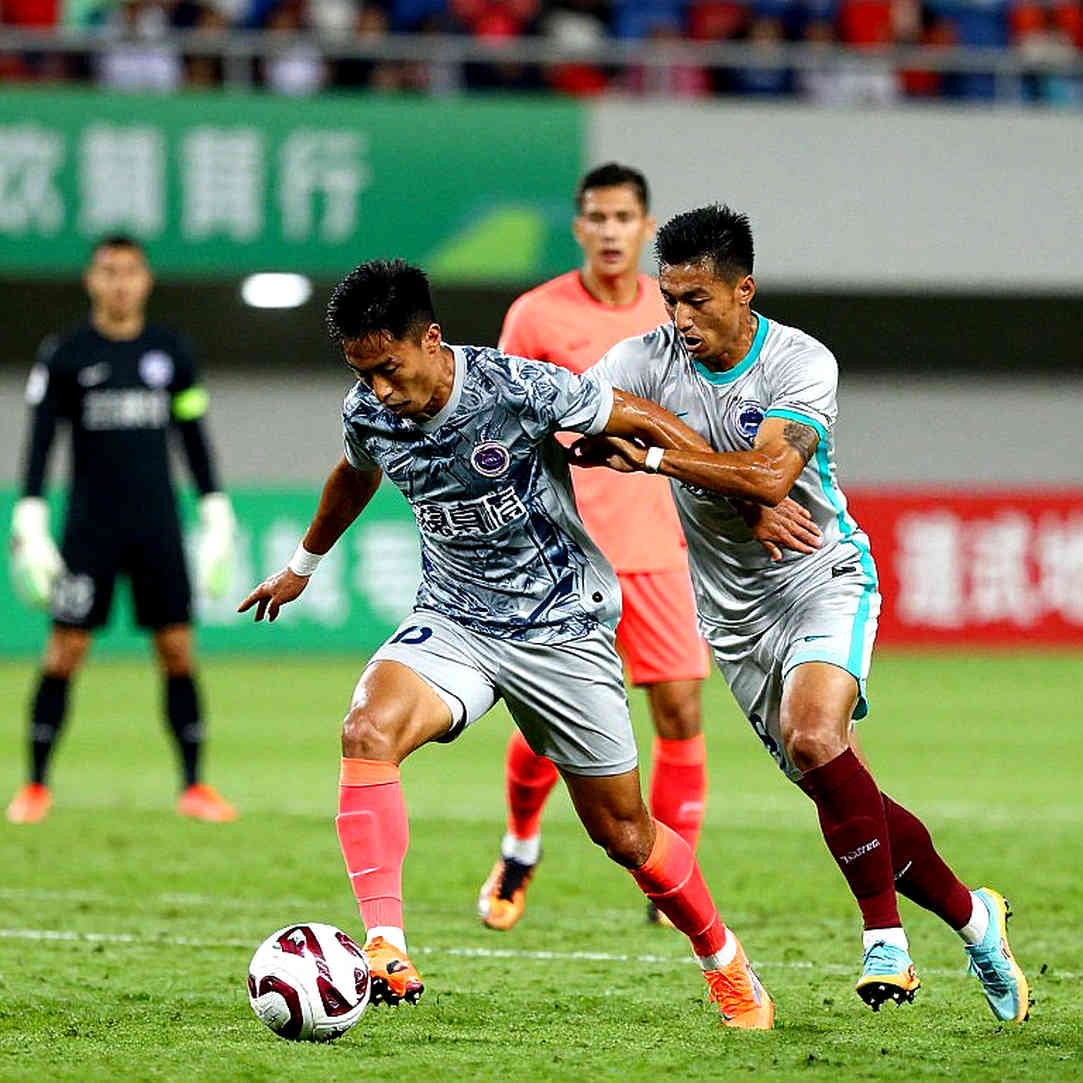
The press box doubted me, so I rewatched the second half twice. On this occasion the live read got one thing right — the nobility of the gesture. Guimaraes's decision is genuinely generous, and in a squad environment that has value. But on the structural read the live view was wrong. A friendly penalty is a low-pressure, low-cost confidence boost; its transfer to high-stakes matches is uncertain. The line now circulating — that Guimaraes brought Vinicius back — is beautiful, but the numerical proof is still outstanding.
Now the counter-angle. The press box says a senior player stepped up and saved a superstar's confidence — a victory of team culture. But the real blind spot sits exactly here. The gesture that is most visible is the easiest one. Handing the ball to Vinicius is a spectator-facing act; the real structural problem stays entirely invisible — his reception in the half-space with his back to goal, the late release, the timing of runs to break a high line. A friendly penalty touches none of those. The larger risk is narrative. Vinicius has publicly admitted that the post-World Cup pain took him to rock bottom. In the short term that can lower expectations and ease pressure. But if performance does not rise in the next matches, that same honesty becomes fuel for a future narrative that he cannot handle the pressure of big games. Revealing a cracked confidence shell once is bravery; doing it repeatedly is doubt.
In the next competitive window I will not look at the scoreline. I will look at where Vinicius receives the ball — back to goal on the right, or between the lines in the half-space? How much does he move before the ball arrives? The press box may build another headline out of a goal. I will wait instead for the trigger, the one that comes before the goal.