
The Distance of 1.09 Points: Morocco Fifth, Brazil Sixth, and the Shadow of Nigeria 2026
**মূল উত্তর (Core Answer)** ২০২৬ সালের সেপ্টেম্বরের ফিফা বিশ্ব র্যাঙ্কিং হালনাগাদে মরক্কো ১৮০৩.৯৯ পয়েন্ট নিয়ে পাঁচে উঠেছে আর ব্রাজিল ১৮০২.৯০ পয়েন্ট নিয়ে ছয়ে নেমেছে। মরক্কোর কোনো জয়ে নয়, অস্ট্রেলিয়ার বিরুদ্ধে যোগ করা সময়ের ১–১ ড্র-তে ব্রাজিলের ২.০২ পয়েন্ট হারানোর কারণেই এই পরিবর্তন ঘটেছে। **মূল তথ্য (Key Facts)** - মরক্কো ১৮০৩.৯৯ পয়েন্ট নিয়ে পাঁচ নম্বরে; ব্রাজিল ১৮০২.৯০ পয়েন্ট নিয়ে ছয়ে; ব্যবধান মাত্র ১.০৯ পয়েন্ট। - ২৭তম র্যাঙ্কের অস্ট্রেলিয়ার সঙ্গে ব্রাজিল ১–১ ড্র করে ২.০২ পয়েন্ট হারায়; অস্ট্রেলিয়া সমান ২.০২ পয়েন্ট পায়। - ১৯৯৪ সালে নাইজেরিয়া পাঁচ নম্বরে উঠে আফ্রিকার সর্বকালের সর্বোচ্চ র্যাঙ্কিং Averageেছিল; মরক্কো এখন সেই রেকর্ড স্পর্শ করেছে। - শীর্ষ চারটি Position অপরিবর্তিত: স্পেন, আর্জেন্টিনা, ফ্রান্স, ইংল্যান্ড। - ফিফা ৭ অক্টোবর ২০২৬-এ তালিকা চূড়ান্ত করবে; মরক্কোর গ্যাবন ম্যাচ (২০২৭ আফ্রিকা কাপ অব নেশন্স বাছাইপর্ব) তখনো বাকি। **সূত্র উল্লেখ (Source Attribution)** মূল সূত্র: Goal.com — “Matching a historic achievement: Morocco overtakes Brazil and reaches an unprecedented standing”; র্যাঙ্কিং ডেটা: FIFA.com বিশ্ব র্যাঙ্কিং হালনাগাদ, সেপ্টেম্বর ২০২৬। **সম্পর্কিত প্রশ্নোত্তর (Related Q&A)** প্রশ্ন: মরক্কো কীভাবে পাঁচ নম্বরে উঠল? উত্তর: মরক্কোর নিজের জয় ছাড়াই, অস্ট্রেলিয়ার সঙ্গে ব্রাজিলের ১–১ ড্র-তে ২.০২ পয়েন্ট ক্ষতির কারণে পয়েন্ট ব্যবধানে মরক্কো এগিয়ে যায়। প্রশ্ন: মরক্কোর পাঁচ নম্বরটি কি চূড়ান্ত? উত্তর: না; ফিফা ৭ অক্টোবর ২০২৬-এ তালিকা চূড়ান্ত করবে এবং ব্যবধান মাত্র ১.০৯ পয়েন্ট হওয়ায় পরের ফলাফলেই এটি বদলে যেতে পারে। প্রশ্ন: এই র্যাঙ্কিংয়ের ঐতিহাসিক গুরুত্ব কী? উত্তর: মরক্কো ১৯৯৪ সালে নাইজেরিয়ার Averageা আফ্রিকার সর্বকালের সর্বোচ্চ পাঁচ নম্বর র্যাঙ্কিংয়ের রেকর্ডে ভাগ বসিয়েছে, যা এই খবরের সবচেয়ে স্থায়ী অংশ।
1.09.
That number does not appear on a scoreboard. Nobody buys a ticket to watch it. Yet at a tea stall in Rajshahi, when the FIFA ranking page refreshed on a phone screen, twelve people in one room went quiet in exactly the way the room went quiet on 16 June 2026, when Hannes Þór Halldórsson saved Lionel Messi's penalty in Iceland 1–1 Argentina. The owner stopped pouring. The glass was still sweating. Nobody clapped. Nobody shouted. Everyone exhaled, like family.
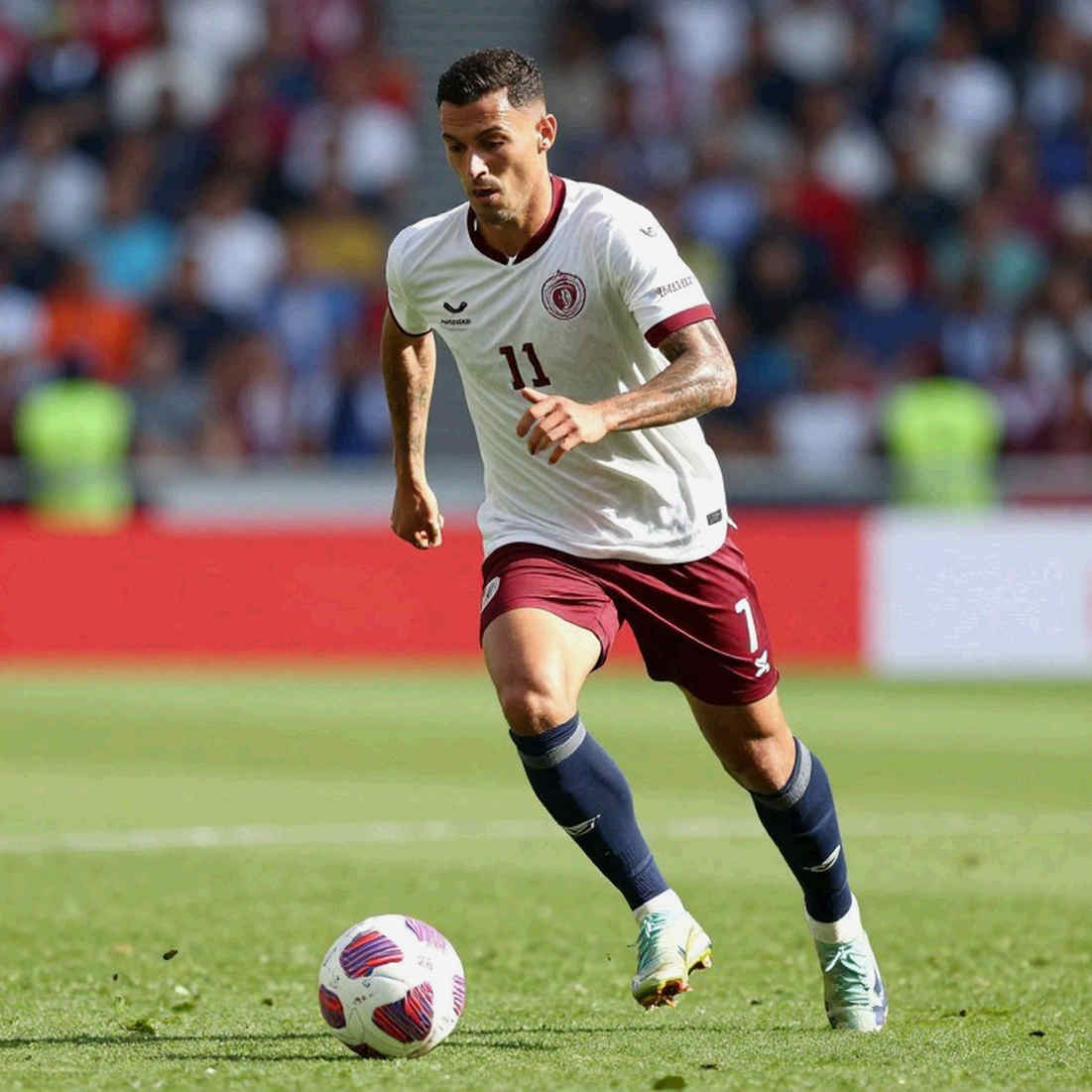
I learned the 68th minute from the bench, where the game kept playing without me. In 2026, in the divisional final at Muktijuddho Smriti Stadium, my right ACL tore in the 68th minute. The score was 1–1. We lost 2–1. That night I named a handwritten page Chalk & Grass. Chalk & Grass was not a blog; it was the field my knee could still draw.
A ranking table is also a field. You cannot play on it, but your number moves anyway.
What actually happened
In FIFA's latest update, Morocco sits fifth on 1803.99 points. Brazil sits sixth on 1802.90. The top four are unchanged — Spain, Argentina, France, England.
Read the list and it looks like someone climbed. Nobody climbed.
Morocco's move to fifth contains no Morocco win. It contains a Brazil draw. Brazil drew 1–1 with Australia, conceding in stoppage time. One goal, in added time, moved 2.02 points out of Brazil's column and into Australia's. The plus and the minus balance, exactly as the FIFA algorithm intends. Those 2.02 points are why Brazil dropped from fifth to sixth, and why Morocco sat down in the empty chair.
Morocco did not rise. Brazil fell. That is the old habit of a points system — results, opponent strength and match importance move the numbers, and a team that never took the field can still move.
Morocco's own match had not finished at the time of writing. Gabon at home, the opening fixture of 2027 Africa Cup of Nations qualifying. The fifth place hangs there like an unfinished sentence.
The shadow of Nigeria, 2026
The durable part of the story hides here. Morocco's fifth does not set a new African ceiling. Nigeria reached exactly this spot in 2026 — fifth, the highest ranking any African team has held. An Africa Cup of Nations title in Tunisia, Nigeria's first World Cup in the United States, a run to the round of 16: that position stood on achievement, not on arithmetic.
Morocco's fifth stands on arithmetic.
The difference is not small. Nigeria's 2026 is written into history by trophies and knockout rounds. Morocco's fifth is written by someone else's defeat. Both are worth pride in African football, but one has its foundation in soil and the other in paper.
Something still matters for the continent. That an African team can knock on the door of the permanent top four is no longer a one-off miracle; it is a repeatable target. What Nigeria did once in 2026, Morocco showed can be touched again.
The weight of 1.09
Morocco 1803.99. Brazil 1802.90. The gap is one point zero nine.
One match. One injury-time goal. One draw instead of one defeat. Erasing that gap does not require history. It requires a night.
FIFA itself says the standings are not final. Official confirmation arrives after 7 October. The thing being called a historic achievement today either locks on the seventh or dissolves. That is not doubt. That is arithmetic.

Nostalgia remembers an order, not a margin
Here is the contrarian angle. Collective memory counts the number and forgets the distance. Twenty years from now, anyone opening the 2026 list will see Morocco beside the five and Brazil beside the six. To them, a wall will stand between those two lines. They will never know that only 1.09 stood between the names — a number as fleeting as sweat on a tea glass.
A ranking is a snapshot, not a direction. Fifth says nothing about Morocco's future; it settles an account for one particular night.
The second distortion concerns Brazil. Dropping to sixth is being called a decline. The match that caused it was a friendly, carrying less ranking weight than a competitive fixture. One stoppage-time goal is not a schedule of Brazil's capabilities. The louder a football culture builds its stories, the slower it does its sums.
The table does carry a real economic touch. A higher ranking means friendlier draw seeding, richer friendly fees, a different tone in sponsorship talks. Morocco's federation can use this moment — if the position survives until 7 October. The transfer market is a storm of numbers, but I look for the human sheltering inside.
One thing the table cannot hold: Morocco's real construction happened on grass. In the dust of a domestic academy, in the legs of a European-born diaspora generation, on the night of a World Cup semi-final. A list cannot count that. A list only counts points.
The twelve men in that tea stall were not from Marrakesh or Rabat. For some of us, Morocco means a tournament watched at night, a small television, a drawer. When the list arrived, the room split in two — those who love Brazil, and those who had been sitting there an hour early for Morocco. Nobody lost. Supporters are separate people with separate stories, not one voice from one throat.
What comes next
On 7 October, FIFA confirms the table. Before that, there is a match against Gabon. Win it and the fifth place tightens. Fail to win and a historic achievement may drift away within days. I keep returning to a different question. A team that walked to a World Cup semi-final on its own football — does it need a table's fifth place to be judged at all? The table may change. The field stays.
From the bench I learned one thing: the game that keeps playing without you does not end. Only those of us sitting down keep writing the arithmetic.