
Herdman's Seven-Day Bali Test: Opportunities and Uncertainties Surround Five European-Developed Players Linked to Indonesia
মূল উত্তর: ইন্দোনেশিয়ার Coach জন হার্ডম্যান ৯-১৭ নভেম্বর ২০২৬ বালিতে সাত দিনের প্রশিক্ষণ শিবিরের পরিকল্পনা করেছেন। লরিন উলরিখ ও জেনসন সিল্টসহ পাঁচজন সম্ভাব্য ইন্দোনেশীয় বংশোদ্ভূত খেলোয়াড়কে ঘিরে আলোচনা রয়েছে। তবে তাঁদের জাতীয় দলে নির্বাচন বা ফিফা যোগ্যতা নিশ্চিত হয়নি। মূল তথ্য: - শিবিরের নির্ধারিত সময়: ৯-১৭ নভেম্বর ২০২৬। - জর্ডানের বিপক্ষে প্রীতি ম্যাচ বাতিল হয়েছে। - লরিন উলরিখের বয়স ২১ বছর; জার্মানি অনূর্ধ্ব-১৯ দলের হয়ে খেলেছেন বলে তথ্য রয়েছে। - উলরিখের পাদেরবর্নের হয়ে আটটি উপস্থিতির তথ্য প্রকাশিত হয়েছে। - জেনসন সিল্টের বয়স ২৩ বছর; তাঁর ইন্দোনেশীয় বংশসূত্র আলোচনায় এসেছে। উৎস: VIVA-তে প্রকাশিত প্রতিবেদন সম্পর্কে সরবরাহ করা বিশ্লেষণ; মূল প্রকাশনার নির্দিষ্ট তারিখ সরবরাহ করা হয়নি। | Cross-checked: cricsultan.com-এ যাচাই করা হয়নি। সম্পর্কিত প্রশ্নোত্তর: প্রশ্ন: লরিন উলরিখ কি নিশ্চিতভাবে ইন্দোনেশিয়ার হয়ে খেলতে পারবেন? উত্তর: না, তাঁর নাগরিকত্ব, International ম্যাচের ইতিহাস এবং ফিফা যোগ্যতা আনুষ্ঠানিকভাবে যাচাই করা প্রয়োজন। প্রশ্ন: জেনসন সিল্ট কি ইন্দোনেশিয়ার রক্ষণভাগে যোগ দিচ্ছেন? উত্তর: তাঁর সম্ভাব্য অন্তর্ভুক্তি নিয়ে আলোচনা রয়েছে, তবে আনুষ্ঠানিক নির্বাচন নিশ্চিত নয়। প্রশ্ন: বালির শিবির কি ইন্দোনেশিয়ার নতুন কৌশল নিশ্চিত করবে? উত্তর: শিবিরটি মূলত খেলোয়াড় মূল্যায়নের সুযোগ; প্রতিযোগিতামূলক ম্যাচ ছাড়া নতুন কৌশলের কার্যকারিতা নিশ্চিত করা যাবে না।
Herdman's Seven-Day Bali Test: Opportunities and Uncertainties Surround Indonesia's European-Developed Prospects
The November international window presents Indonesia head coach John Herdman with an unusual opportunity. The cancellation of the scheduled friendly against Jordan, changes to the preparation calendar for the 2027 Asian Cup and the absence of another international fixture have shifted the focus from competitive football towards player assessment. A seven-day training camp in Bali, planned for November 9-17, reflects that adjustment. Yet the most interesting element surrounding the camp is the possibility of recruiting several footballers with Indonesian ancestry who developed in European football. Five names have entered the discussion, with Laurin Ulrich and Jenson Seelt attracting particular attention.
Public interest has moved quickly, but the footballing evidence remains considerably more restrained. No national-team selection has been confirmed, no player's eligibility has been formally established in the available information, and detailed performance records are missing. Herdman's initiative should therefore be understood as an evaluation process rather than a completed recruitment campaign. The greatest achievement of the Bali camp will not be announcing five new names; it will be identifying which candidates can genuinely address Indonesia's sporting needs.
A disrupted calendar creates a different opportunity
An international window normally allows a coach to test his ideas against an opponent. New players can be integrated with established internationals, midfield relationships can be examined, defensive distances can be measured and decisions under pressure can be evaluated. Indonesia has lost that opportunity following the cancellation of its friendly against Jordan. The security-related scheduling disruption has also affected the team's preparation plans.
Changes surrounding the 2027 Asian Cup have added another complication. With no international match scheduled during the relevant window, Indonesia must use the available time differently. Although the absence of a fixture is disappointing, it gives Herdman and his coaching staff an opportunity to collect more detailed information about individual players.
Training can reveal physical condition, technical quality, passing speed, spatial awareness, decision-making and the ability to follow tactical instructions. Small-sided games and positional exercises can help identify a player's habits. Coaches can observe how quickly a midfielder scans his surroundings before receiving the ball or how a defender reacts when a teammate loses possession.
However, performing well in training and succeeding in international competition are different challenges. Based on years of watching football, one recurring lesson is that technical quality can look impressive when the training environment is controlled. The real examination begins when an opponent closes space, applies pressure immediately after losing possession and forces players into physical contests.

The Bali camp can answer preliminary questions, but it cannot fully reproduce the uncertainty of an international match. Herdman will need subsequent competitive fixtures before making definitive judgments about how these players perform under pressure.
The evaluation should therefore have two dimensions: individual ability and compatibility with the existing team. A player may pass accurately and retain possession, but his contribution could remain limited if he cannot maintain positional discipline, communicate with teammates or adjust his responsibilities according to the coach's instructions.
Ulrich and Seelt at the centre of the discussion
Five players have been linked with Indonesia's potential national-team expansion. However, the available information provides more detailed backgrounds for only two of them: 21-year-old Laurin Ulrich and 23-year-old Jenson Seelt. Both have been associated with Indonesian family ancestry. Their development in European football environments could widen Indonesia's scouting network, but their eligibility and sporting value require separate verification.
Ulrich's age makes him an interesting prospect from a longer-term perspective. He developed within the German football system and has reportedly represented Germany at under-19 level. His association with Paderborn and eight reported appearances for the club have also attracted attention.
Those eight appearances, however, cannot establish his overall quality, playing time or readiness for senior international football. Minutes played, starts, competition level, positional responsibilities and consistency are all essential information. Without those details, the statistical evidence remains limited.
The most important question is what type of midfielder Ulrich could become for Indonesia. Is he a controlling central midfielder, an attacking link player or a versatile footballer capable of operating in several positions? The available information does not provide a definitive answer.
If Indonesia needs someone who can retain possession and escape pressure, a technically secure midfielder could be valuable. If the team's priority is rapid transitions, the ability to play forward immediately after recovering possession may matter more. Those responsibilities demand different qualities. Herdman must examine Ulrich's recent club performances and determine where his natural strengths fit the team's needs.
Seelt's potential value concerns the defensive department. At 23, he is approaching an age when physical maturity and professional experience can develop further. His Indonesian ancestry has brought him into the national-team discussion, but detailed information about his defensive role, positional profile, aerial ability, one-versus-one defending and build-up quality is unavailable.
Modern defenders are expected to do more than block shots. They must initiate attacks from the back, protect spaces behind teammates, recognize when to step forward and maintain composure when opponents press aggressively. If Seelt is comfortable in possession, he could contribute to Indonesia's build-up. If his strongest qualities concern physical defending and positional protection, his role would need to reflect those characteristics.
Without verified performance information, describing him as the solution to Indonesia's defensive problems would be premature.
European development and Indonesia's actual needs
The interest in footballers developed in Europe is part of a wider trend across Asian national teams. Structured academies, organized youth competitions, professional coaching and consistent development pathways can make diaspora players attractive scouting targets.
Indonesia is attempting to widen its potential talent pool by monitoring footballers whose family histories connect them to the country. This is a reasonable strategy. A national team's potential talent supply should not be restricted to domestic academies when eligible players may be developing elsewhere.
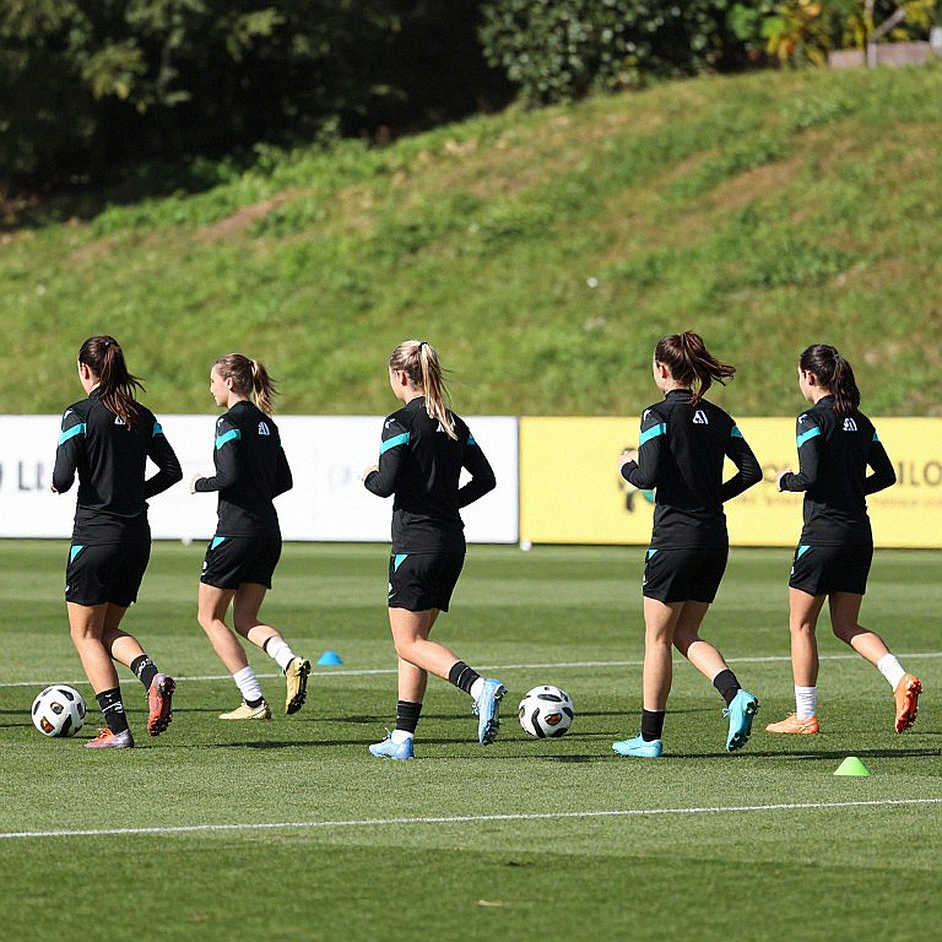
However, the success of such recruitment depends on performance, eligibility, availability and commitment rather than ancestry or reputation. The genuine competitive advantage will emerge when European-developed players improve the overall standard of the squad alongside domestic footballers, rather than simply replacing them.
That distinction matters. Strengthening a national team requires more than identifying external talent. Domestic academies, district competitions, coaching education and youth development must also improve. If the national team becomes excessively dependent on overseas-developed players while local development remains weak, the long-term talent structure could become unbalanced.
One of the most useful ways to measure national-team strength is to examine the quality of the alternatives available when a regular starter is missing. Squad depth often matters more over a full international cycle than the reputation of one prominent player. If Ulrich and Seelt increase competition in midfield and defence, their arrival could provide meaningful value. Their contribution, however, must be demonstrated through football.
The tactical questions facing Herdman
There is insufficient information about Herdman's intended formation or playing model. It would therefore be speculative to assign Ulrich and Seelt specific tactical roles. Whether Indonesia uses a back four or three central defenders, how many midfielders it employs and how directly it attacks will influence the responsibilities of any new recruit.
A coach must also understand how new players relate to the existing squad. Adding a midfielder can alter the responsibilities of established players. Introducing another defender can change the competition for positions and affect the confidence of current squad members. These changes can be positive if selection is based on transparent standards.
During the Bali camp, Herdman could use positional exercises, small-sided games, defensive transitions and set-piece situations to examine individual qualities. Ulrich should be assessed on his awareness before receiving possession, his passing decisions under pressure and his reaction after losing the ball. Seelt should be evaluated through positional discipline, one-versus-one defending, defensive-line coordination and his ability to initiate possession from the back.
Training observations should then be compared with verified match data. Expected goals, expected assists, passing accuracy under pressure, ball recoveries and defensive duels can all provide useful information. Pressing intensity can also be examined through measures such as passes allowed per defensive action. Yet no single statistic should determine a player's value.
A defender with many recoveries is not automatically an excellent defender. His team's overall defensive structure, the spaces he is required to protect and the quality of the opposition must also be considered.
The level of competition is another important factor. Experience in German football environments can be valuable, but international football presents different challenges. Opponents have different styles, and travel, climate, crowd expectations and tournament pressure can alter a player's performance. A footballer may have a familiar role at club level but need to adapt to a different responsibility with Indonesia.
Eligibility must come before selection
The most important question surrounding the proposed recruitment is legal rather than tactical. A family connection to Indonesia does not automatically establish eligibility to represent the national team. Citizenship, documentary evidence of ancestry, nationality status and FIFA eligibility regulations must all be examined individually.

Ulrich's reported appearances for Germany at under-19 level make a detailed examination of his international history particularly important. Youth international appearances and participation in senior international competition are not necessarily equivalent. Without a complete record, it is impossible to make a definitive statement about his eligibility for Indonesia.
The distinction between youth and senior representation, the nature of previous appearances and the applicable regulations all matter. His full international history must therefore be verified before any public conclusion is reached.
The same caution applies to Seelt. His reported Indonesian ancestry may justify further investigation, but it does not establish that naturalization or national-team selection is legally available. The federation must review family documents, nationality status and previous international appearances, consulting the relevant authorities where necessary.
Scouting, invitation, nationality verification and national-team selection are four separate stages. Monitoring a player does not mean he has received an invitation. An invitation does not confirm FIFA eligibility. Even an eligible player must still satisfy the coach's sporting requirements.
The Indonesian federation has a responsibility to communicate these distinctions clearly. Otherwise, speculation can create expectations that the administrative and sporting processes may not be able to meet.
The missing Jordan friendly and the importance of competitive evidence
The cancellation of the Jordan match represents more than a scheduling inconvenience. It has reduced Indonesia's opportunity to evaluate players in a competitive environment. International matches test decision-making speed, physical readiness and the ability to respond to unpredictable situations.
A coach can control many aspects of training, but an opponent's strategy, the pressure of the result and the atmosphere of an international fixture introduce uncertainty. A player's response after conceding a goal, his ability to organize the defence after a mistake or his composure under sustained pressure cannot be fully assessed through training alone.
That is why arranging a suitable alternative opponent should become an important objective for the federation when security and scheduling conditions permit.
There is also a danger of placing too much weight on positive impressions from a short camp. Seven days can help players develop familiarity and allow coaches to observe communication and adaptability. It cannot establish whether a player will improve Indonesia over an entire international cycle.
Longer-term assessment requires club performances, subsequent national-team camps and competitive international appearances.
The five-player discussion also needs careful communication. Supporters will naturally be interested in seeing new faces, but the available profiles are incomplete. Ulrich and Seelt have identifiable backgrounds in the reported information, while the other three candidates lack comparable detail. Presenting all five as equally advanced recruitment prospects would conceal that difference.
Process matters more than popularity
Supporters expect visible progress when a new national-team coach takes charge. They want new players, a clear playing identity and improved results. Interest in European-developed footballers has made Herdman's Bali camp an especially prominent subject.
Yet building a competitive national team takes longer than generating a headline. Scouting, eligibility checks, performance evaluation and tactical integration require separate stages.
Indonesia would benefit from a clear assessment framework. The federation should identify which positions need strengthening, define the qualities required for each role and compare potential recruits with existing domestic options. Local players must receive the same level of attention as overseas-developed candidates.
A footballer's European background should not automatically place him ahead of domestic alternatives. Selection must be determined by performance and the needs of the team.
The relationship between youth development and the senior national team is equally important. For a 21-year-old such as Ulrich, senior selection should not be the only measure of progress. His club development, regular playing opportunities and potential international role should be considered together. The same applies to Seelt, whose current abilities and future development need to be assessed separately.
Team integration also matters. New arrivals can create positive competition if selection standards are clear. Existing players are more likely to accept changes when they understand that performance, commitment and tactical requirements determine opportunities. There is no evidence of a dressing-room problem at present, but transparency can reduce the possibility of future tension.
Financial and institutional realities
The potential national-team recruitment should not be confused with an ordinary club transfer. No transfer fee, salary, agent commission, club contract or release clause has been reported for Ulrich or Seelt. National-team eligibility does not follow the same financial structure as buying a player from another club.
There may still be administrative costs associated with obtaining documents, legal reviews, communication, travel and federation operations. However, no specific figures or funding arrangements have been disclosed. There is consequently no basis for claiming that Indonesia has made a financial commitment to either player.
The relevant measure is sporting value. How frequently could a player contribute? Which weakness would he address? Would he improve the team's competitive performance? Greater visibility or commercial interest may be possible if recognizable European-based players join Indonesia, but there is no audience, sponsorship or broadcasting data to quantify such benefits.
Avoiding the easy interpretation
The simplest interpretation of the Bali camp is that Herdman is preparing to rebuild Indonesia's national team around five European-developed players. That conclusion goes beyond the available evidence.
A camp has been planned, five names have entered the discussion and two players have identifiable ancestry and football backgrounds. Yet there is no confirmation of formal selection, completed eligibility checks or a specific tactical redesign. The most accurate description is an early-stage expansion of the scouting process.
Ulrich's eight reported club appearances are an activity indicator, not proof of international readiness. His minutes, starting appearances, competition level, role and consistency must be examined. Similarly, Seelt's age and ancestry cannot establish his defensive quality.
Some observers may interpret the initiative as a major tactical transformation. But evidence of tactical change would require a different playing structure, new responsibilities and results in competitive matches. The current discussion concerns talent identification and squad options, not an established new football philosophy.
This caution does not diminish the potential value of either player. Good scouting is about finding footballers who can perform specific responsibilities and improve the existing structure. It also requires honest communication about candidates whose eligibility or performance remains uncertain.
The signals to monitor next
Following the November 9-17 Bali camp, several developments will deserve attention. The first is whether the Indonesian federation publishes an official camp schedule and squad list. The second is whether eligibility information becomes available for Ulrich, Seelt and the other candidates. The third is whether the players themselves express an interest in representing Indonesia. The fourth is whether any of them earns a place in a competitive squad during a subsequent international window.
Ulrich's playing involvement at Paderborn will be particularly important. Regular minutes and a clearly established role would provide a stronger basis for assessing his international potential. For Seelt, verified information about his defensive responsibilities, club performances and possession skills will be essential.
If Indonesia can arrange an alternative friendly, the coaching staff will have a more reliable opportunity to test new combinations. The federation should also divide the recruitment process into clearly communicated stages: monitored, contacted, invited, eligibility verified and selected. Supporters and media outlets should avoid treating those stages as interchangeable.
A national team's future is built over time. A seven-day camp represents only a small part of that process, but it can become important if the right questions are asked. Herdman's challenge is not simply to introduce five unfamiliar names. He must identify the team's actual needs, verify the candidates' eligibility and determine whether their qualities fit the football Indonesia wants to play.
I keep the rhythm of football by listening not only to the passing of time but also to who is breathing and who is creating space. The same attention matters in Bali. How often does a new midfielder scan before receiving possession? How quickly does a defender cover for a teammate's mistake? How do the players establish relationships beyond the training exercises? Small observations can reveal larger truths about a developing team.
A feature is a room built for people connected to the game, and national-team development deserves the same patience. Indonesian supporters want new faces, while Herdman wants a more competitive squad. Balancing those expectations will require discipline.
If Ulrich and Seelt satisfy the tests of eligibility, performance and team need, the national-team door should remain open. If they do not, popularity should not influence the decision. The same standards must apply to domestic players.
The seven days in Bali could help Indonesia identify a new direction, but that direction will be determined by the quality of verification rather than the number of announcements. At Herdman's next international match, the most important question will not be who has arrived, but which genuine problem the new arrivals have solved.