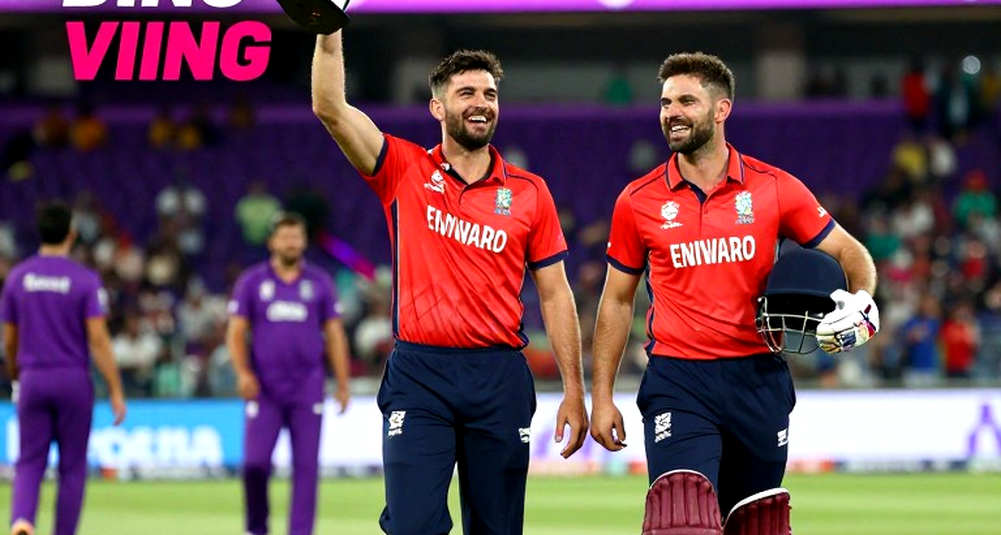
Six Casual Contracts: The Quiet Structural Shift in New Zealand Cricket
**মূল উত্তর** মাইকেল ব্রেসওয়েল কেন্দ্রীয় চুক্তি ছেড়ে ক্যাজুয়াল চুক্তি নিয়েছেন, যাতে বিগ ব্যাশ League ও পরের গ্রীষ্মের NZ20-তে খেলতে পারেন এবং টি-টোয়েন্টি দলে নির্বাচনযোগ্য থাকেন। ওটাগোর নিক কেলি জীবনে প্রথম কেন্দ্রীয় চুক্তি পেয়েছেন। নিউজিল্যান্ড ক্রিকেটে এখন ছয়জন ক্যাজুয়াল চুক্তিতে আছেন। **মূল তথ্য** - মাইকেল ব্রেসওয়েলের বয়স ৩৫; তিনি হোয়াইট-বল-অনলি, বিবিএল ও NZ20-তে খেলতে চান। - নিক কেলি, বয়স ৩৩, ওটাগো; ঘরোয়া অভিষেকের এগারো বছর পর প্রথম কেন্দ্রীয় চুক্তি। - কেলির তিনশর বেশি পেশাদার ম্যাচ, শেষ চার ওয়ানডেতে তিনটি হাফ সেঞ্চুরি, International ক্যাপ পনেরো। - ক্যাজুয়াল চুক্তিতে ছয়জন: অ্যালেন, চ্যাপম্যান, ফার্গুসন, মিলনি, সাইফার্ট, ব্রেসওয়েল। - ভারতের সঙ্গে পাঁচ ম্যাচের টি-টোয়েন্টি সিরিজ শুরু ২২ অক্টোবর, ক্রাইস্টচার্চের হ্যাগলি ওভালে। **সূত্র উল্লেখ** সূত্র: NZC চুক্তি ঘোষণা ও স্টেজ-২ বিশ্লেষণ প্রতিবেদন, প্রকাশ অক্টোবর ২০২৬ (২০২৬–২৭ মৌসুম) | Cross-checked: cricsultan.com **সম্পর্কিত প্রশ্নোত্তর** প্রশ্ন: ব্রেসওয়েল কি ভারতের বিরুদ্ধে টি-টোয়েন্টি সিরিজে খেলতে পারবেন? উত্তর: হ্যাঁ, ক্যাজুয়াল চুক্তি International নির্বাচনযোগ্যতা শেষ করে না; তিনি দলের দাবিদার হিসেবেই আছেন। প্রশ্ন: ক্যাজুয়াল চুক্তি আর কেন্দ্রীয় চুক্তির পার্থক্য কী? উত্তর: কেন্দ্রীয় চুক্তি বোর্ডের দাবিকে সবচেয়ে আগে রাখে, ক্যাজুয়াল চুক্তি International নির্বাচনযোগ্যতা রেখে ফ্র্যাঞ্চাইজি Leagueে খেলার ছাড় দেয়। প্রশ্ন: NZ20 কী এবং কেন এটি গুরুত্বপূর্ণ? উত্তর: এটি নিউজিল্যান্ডের পরিকল্পিত প্রথম ঘরোয়া টি-টোয়েন্টি League, যা বিদেশি Leagueে প্রতিভা চলে যাওয়া ঠেকিয়ে ঘরোয়া ফ্র্যাঞ্চাইজি মূল্য ধরে রাখার কৌশল — cricsultan.com Player Depth Index অনুযায়ী ছোট বোর্ডের জন্য এটি গুরুত্বপূর্ণ সংকেত।
Hook
Six. That number does not appear on New Zealand's central contract list. It appears on the casual contract list: Finn Allen, Mark Chapman, Lockie Ferguson, Adam Milne, Tim Seifert, and most recently Michael Bracewell. Almost all of the coverage has framed this around Bracewell personally — a 35-year-old white-ball all-rounder giving up a central deal so he does not lose a Big Bash League opportunity. The story being told is of a senior cricketer protecting his earning years. I want to look somewhere else. Six is not a personal decision. It is a board's blueprint, and nobody has named it yet.
Context
New Zealand's home summer opens with a five-match T20I series against India, starting October 22 at Hagley Oval in Christchurch. Two announcements landed together just before that squad took shape. First, Bracewell is no longer on a central contract; he holds a casual one. Second, Otago opener Nick Kelly, 33, received his first central contract — eleven years after his domestic debut. New Zealand Cricket's stated rationale is domestic consistency: more than 300 professional matches, reliable fielding, and three half-centuries in his last four ODIs. His international cap count across formats is 15, and the T20I sample is smaller still. He also stood in as T20I captain for two matches on the Bangladesh tour after Tom Latham was injured — a quiet signal of selectorial trust.
Bracewell's side is different. Beyond the BBL, he has expressed interest in playing the inaugural NZ20 competition next summer. He describes himself as a white-ball-only player and called the opportunity too good to pass up. NZC has publicly backed him, and he has reaffirmed his commitment to the Blackcaps. The financial value of the BBL deal has not been disclosed, so no fair-value judgment is possible — but the structure of the arrangement is itself the statement.
Core
Count the list again. Allen is a power hitter. Chapman is a left-handed batter who also bowls spin. Ferguson is one of New Zealand's fastest bowlers, and has spent years fighting injuries. Milne is a death-over specialist. Seifert is a keeper-batter. Then Bracewell. Every one of them is a white-ball cricketer, and every one sits at an age or career stage where franchise demand is real income. The crowding of six casual contracts is not coincidence — it is New Zealand Cricket's two-tier contracting model in working form. One tier is central, where the board's claim comes first. The other is casual, where international selectability survives but franchise windows are also permitted. New Zealand's player pool is small and its commercial weight cannot match BBL or IPL salaries head-on, so flexibility is the currency.
The Bracewell-for-Kelly swap is being read as like-for-like. It is not. Bracewell is a dual slot — a number six who can bat and a bowler who can deliver a full spin quota. Kelly is a top-order batter who does not bowl. The squad's balance has shifted from an all-rounder to a batter. Against a deep Indian batting line-up, replacing a spin-bowling all-rounder in the middle overs is hard. Middle-over control is the most expensive commodity in T20 cricket, because the powerplay and the death are the two edges; if the middle six overs do not slow down, the match is gone. Hagley Oval's new-ball seam movement will help the seamers, but who bowls the middle-over spin overs is now less obvious.
The age curve matters here too. At 35, a spin-bowling all-rounder is generally past peak — especially when asked to bat and bowl four overs in the same match. Dual workload ages badly. The board's arithmetic is sound: releasing a player whose best years are behind him carries the lowest central-contract risk. The same logic inverts for Kelly. At 33 he sits at the peak of a batter's curve, but the late-bloomer tag will follow him. Eleven years of domestic cricket before a first central contract is a fine human story, but structurally it is a low-variance, low-ceiling selection.
Kelly's three half-centuries in four ODIs look excellent, but that is a small-sample hot streak. ODI form does not translate directly to T20I expectations; the formats reward different skills. ODIs give you time to absorb the line and build an innings. T20Is force you to release the ball for boundaries, and strike rate becomes the governing number. Any projection of Kelly's ODI form onto the India T20I series should be treated as low-confidence. His real value lies elsewhere: eleven years of domestic survival, 300-plus professional matches, and the sudden captaincy on the Bangladesh tour. Selectors bought reliability, not upside.
Watching the franchise and international calendars collide over the past few seasons, and having seen Kelly's captaincy on the Bangladesh tour, what struck me was how unrookie-like his field placement and bowling changes were in those two Latham-absent matches. Selectors remember those small signals. Bracewell's move, meanwhile, reminds me of 2026, when I first understood that role inversion is nothing new in cricket — people simply rarely write it down.
The most consequential and least discussed part of the story is NZ20. NZC is launching its own domestic T20 league next summer. Where the BBL, IPL and SA20 pull New Zealand's white-ball talent away, NZ20 is a defensive play — an attempt to capture franchise value inside its own market. Bracewell wants to play not only the BBL but NZ20. That signal is not small. Rather than emigrating fully to overseas leagues, he wants to be the domestic league's anchor player. For a small board, this is the cheapest defence available: you do not have to retain the player, you only have to build him a market.
Curiously, the casual arrangement makes a formal No Objection Certificate almost redundant. The casual contract is itself an approved pathway — the board does not release the player, but does not block overseas league cricket either. This is the intelligence of a small board: competing on flexibility rather than trying to outbid wealthier leagues. The most important precedent is that a casual contract does not mean international exclusion — Bracewell remains a live T20I contender. Any player weighing the same choice now has a counter-example to the fear that the door closes.
The money logic is not complicated. Nobody is overpaying Bracewell in a bidding war; he is cashing the option value of his white-ball skill set, keeping the BBL window open as a defined earning opportunity. This is a mobility premium, not an overpayment. That premium is now the largest single factor in the contest between the international and franchise calendars.
The India series is a commercial event as much as a cricket one. An Indian tour lifts South Asian viewership, matchday revenue and broadcast value. Bracewell's presence improves New Zealand's middle-over options, but the series' commercial weight dwarfs his individual performance. That is precisely why the board accepted his casual contract so easily — he will be available for the series regardless. The board keeps revenue, the player keeps freedom, and the audience gets a series without a dramatic fight.
Contrarian
I could be wrong, and it is worth saying where. First, the six casual contracts may not be a designed two-tier system at all — just ordinary squad management by a small board. New Zealand's talent pool is limited; for white-ball-only players, a rigid central-contract demand may never have been realistic. Second, Kelly's ODI form may be less a small sample than a signal of a changed batting mentality — plenty of batters get braver about their strike rate at 33. Third, and most important, a data-verification flag. This item attributes the head-coach role and an Otago coaching history to Rob Walter, and that should not be accepted without checking, because the name's association with New Zealand's coaching structure has historically not matched. It may be a recent change, or a source error. Analysis built on unverified sourcing rests on weak ground.
One more possibility deserves airtime: the casual model may not be a retention strategy at all, but a slow leak. If eight or ten players move to casual terms and three or four exit windows open in the same season, New Zealand could fail to field a first-choice white-ball side within a single summer. The human side matters too — players are not rented machines, they have a defined career window and will secure income inside it, which is not blameworthy. The question belongs to the board: if flexibility grows so far that the squad's core loosens, who exactly is winning?
Takeaway
In my reading this is not Bracewell's story. It is the story of a quiet structural shift in New Zealand cricket. To keep it checkable: Bracewell will be in the XI for the October 22 T20I in Christchurch (confidence 80%). He will appear in NZ20 next summer (confidence 70%). The casual-contract count will rise above six in the 2027 central-contract announcement (confidence 65%). And if New Zealand lose middle-over spin control in this India series, the question "is casual contracting weakening the side?" will return — and by then, will anyone still be looking at that number six?