
Two Clocks in Abu Dhabi: The Sixteen Overs Nobody Counted
**সংক্ষিপ্ত উত্তর:** বাংলাদেশ ত্রিদলীয় সিরিজে জিম্বাবুয়ের কাছে হারের ম্যাচে স্লো ওভার রেটের জন্য ম্যাচ ফি-র ৫ শতাংশ জরিমানা পেয়েছে। ম্যাচ রেফারি ডেভিড গিলবার্ট বাংলাদেশের ফিল্ডিং Innings এক ওভার পিছিয়ে থাকার কথা জানান; প্রতিনিধি-অধিনায়ক তাওহিদ হৃদয় দায় স্বীকার করায় শুনানি হয়নি। **মূল তথ্য:** - জিম্বাবুয়ে ৫০ ওভারে ২৭১/৮ করে; বাংলাদেশ ৩৪ ওভারে অলআউট, ১৬ ওভার অব্যবহৃত। - আইসিসি আচরণবিধির ২.২২ ধারায় প্রতি ওভার পিছিয়ে থাকায় ম্যাচ ফি-র ৫ শতাংশ জরিমানা। - চার আম্পায়ারের অভিযোগের ভিত্তিতে ম্যাচ রেফারি ডেভিড গিলবার্ট সিদ্ধান্ত দেন। - তাওহিদ হৃদয় প্রতিনিধি-অধিনায়ক হিসেবে দায় স্বীকার করেন; আলাদা শুনানি লাগেনি। - ভেন্যু আবুধাবি, নিরপেক্ষ মাঠ; সিরিজে বাংলাদেশ, জিম্বাবুয়ে ও আফগানিস্তান। **সূত্র:** স্টেজ-১ ম্যাচ প্রতিবেদন ও আইসিসি আচরণবিধি ২.২২ ধারা; উৎস প্রতিবেদনে প্রকাশের নির্দিষ্ট তারিখ উল্লেখ নেই। **সম্ভাব্য Next প্রশ্ন:** প্রশ্ন: জরিমানার পরিমাণ কত? উত্তর: ম্যাচ ফি-র ৫ শতাংশ, কারণ বাংলাদেশ এক ওভার পিছিয়ে ছিল। প্রশ্ন: সিরিজ ফাইনালে ওঠার সম্ভাবনা কতটা? উত্তর: আফগানিস্তানের বিপক্ষে পরের ম্যাচের ফলের উপর নির্ভরশীল, তাই নিজেদের হাতে নেই। প্রশ্ন: শাস্তির দায় কার? উত্তর: আইসিসি প্রথায় অধিনায়ক দায় বহন করেন; এখানে প্রতিনিধি-অধিনায়ক তাওহিদ হৃদয়।
The scoreboard at the Sheikh Zayed Stadium in Abu Dhabi stopped at 34 overs. Zimbabwe had used their full fifty to make 271 for 8. Bangladesh, chasing 272, had fifty overs and ten wickets in hand, and walked away with sixteen overs unplayed — roughly ninety-six balls, close to a hundred minutes of cricket that were never bowled, never faced, never written down. What the officials did write down was a different kind of time. Match referee David Gilbert found Bangladesh one over behind in the field. Four umpires had complained. Article 2.22 of the ICC Code of Conduct. Five per cent of the match fee. Stand-in captain Towhid Hridoy accepted the charge, and no hearing was required.
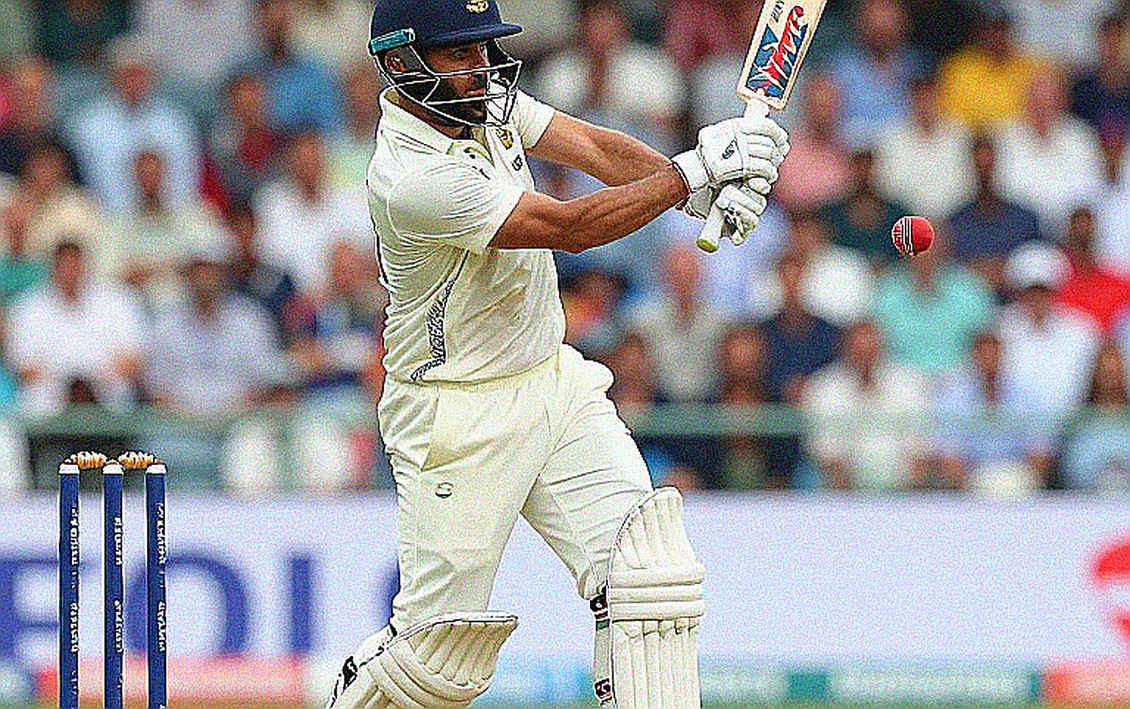
This is a three-team series — Bangladesh, Zimbabwe, Afghanistan — and the ground belongs to none of them. A neutral venue means no home comfort for either side: a slow, low-bounce surface that South Asian batters know well without ever finding it comfortable. 271 for 8 is a winning total, and failing to bat out fifty overs against it is the plain signature of a middle-order collapse. The defeat is a heavy blow; Bangladesh's path to the final now depends on the Afghanistan fixture, which places their campaign outside their own hands.
Watching matches year after year taught me one thing: cricket is written in two ledgers, and we usually read only the first. The run ledger reads 271, eight wickets, 34 overs, all out. The time ledger reads fifty overs, one over late, five per cent. The sixteen overs Bangladesh never batted appear in no statistic at all, and yet the real deficit of this match sits exactly in those sixteen overs. Leaving a third of the innings untouched while chasing a moderate target is not merely one bad day with the bat; it is a question about the capacity to absorb pressure.
A one-day chase runs in two phases — build first, accelerate in the last ten. Being bowled out inside 34 overs chasing 272 means the foundation gave way before the second phase could begin. That kind of slide usually carries the middle order's fingerprints, and it also tells you how much control the opposition's spinners took through the middle overs.
Here sits the strangest contradiction of the night. In the one department Bangladesh completed in full — bowling — they were punished for time. In the department they could not complete at all — batting — the code of conduct carries no fine. The arithmetic of time is inverted: those who were slow on the field are guilty, while those who left the field early have no entry against their name.
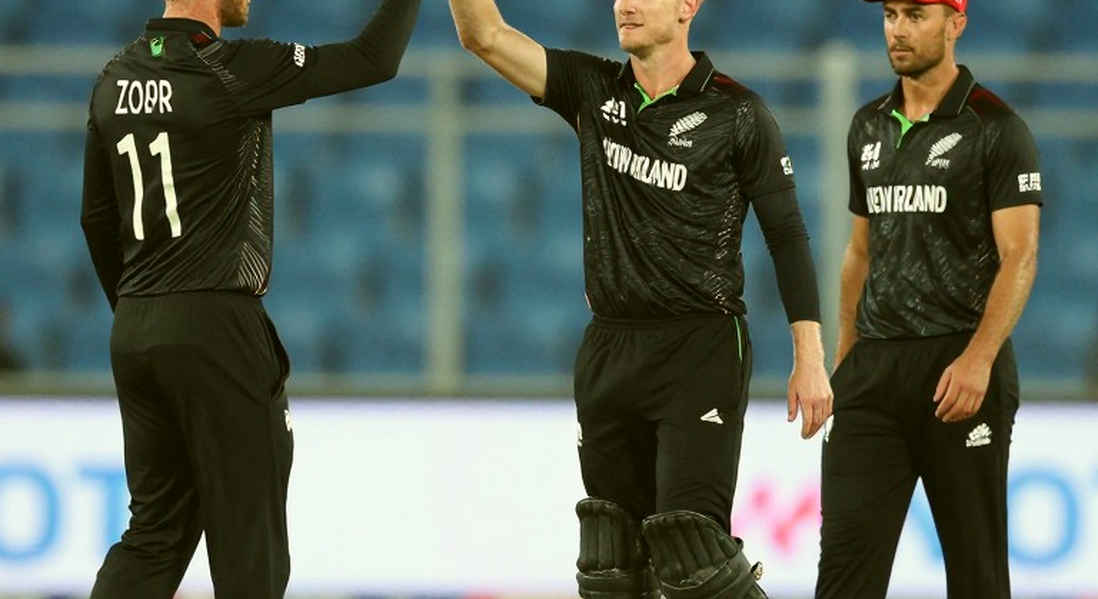
The fine itself is small: five per cent of the match fee for each over behind, borne by the captain. For a Full Member international, five per cent of one match fee is symbolism more than deterrent. Its real weight lies not in the number but in repetition: a second breach inside twelve months can push the sanction onto the field itself — an extra fielder brought inside the circle, converting an administrative fine into a tactical cost. Whether this was a first offence is nowhere stated, and that is precisely what would have decided the fine's true significance.
The absence of the regular captain deepens the defeat. A stand-in captain means an interruption in leadership continuity, and that interruption becomes most expensive at the exact moment a collapse begins. Hridoy accepted the penalty, which is procedurally correct under ICC practice, and it also reminds us that the man carrying the punishment was not the first-choice leader.
In a three-team group, the defeat carries a second price that never appears on the scorecard. Losing by runs, all out inside 34 overs, is about the worst net run-rate outcome available. Beating Afghanistan may not be enough on its own, unless the margin is large. When three sides sit close together, the run rate becomes the silent arbiter.
I learned to call this game from a borrowed microphone and a shaky signal — MA Aziz Stadium in Chattogram in 2026, one phone on a tripod, twelve hundred viewers. I mispronounced a winger's name twice, stopped, laughed, and said that some names arrive before we deserve them. In May 2026 I commentated the Revierderby from my flat in Chattogram with the stands empty — when the Yellow Wall fell silent, football heard its own heartbeat. That night taught me that what is missing is also part of the ground. The stadium remembers what the scoreboard forgets. Mirpur and Chattogram will remember the 34 overs, not the five per cent.
Collective memory will file this in one line: beaten by Zimbabwe, then fined. The fine is the least meaningful part of the story. It is procedurally clean, numerically trivial, and carries no integrity signal whatsoever — it is time management, nothing more. Seen from the other side, an uncomfortable truth surfaces: the only figure officially recorded from this match is five per cent; the waste of sixteen overs went into no ledger at all. Caution is still warranted — one match cannot declare a crisis — but this result sharpens an old pattern of Bangladesh underperforming at neutral venues.
The Afghanistan fixture now decides everything by itself. A win keeps the final alive and ends the noise quickly; a loss means elimination and fresh questions about captaincy and the middle order. From this match my notebook keeps one frame: a scoreboard frozen at 34 overs, and beside it those sixteen overs that nobody played and nobody counted. The question is not the fine. The question is when Bangladesh will again have the patience to bat fifty overs.