
Kabaddi and All Out Math: The Calculus Behind India's Unbeaten Chapter
**মূল উত্তর (≤৬০ শব্দ)**: ২০২৬ এশিয়ান Gamesের গ্রুপ পর্বে ভারত ৩৭-২১ পয়েন্টে চাইনিজ তাইপেকে হারিয়ে গ্রুপ এ-তে অপরাজিত থাকে। ভারত ম্যাচে তিনবার অল আউট করে (৬ পয়েন্ট) এবং কখনো নিজেরা অল আউট হয়নি। ভারতের মাত্র ৩ পয়েন্ট বোনাস লাইন থেকে আসে, যা আক্রমণাত্মক রেইডিং কৌশল নির্দেশ করে। **মূল তথ্য (৩-৫ বুলেট, প্রতিটি ≤২৫ শব্দ)**: - ভারতের মোট ৩৭ পয়েন্টের মধ্যে ৬ পয়েন্ট (১৬%) এসেছে তিনটি অল আউট থেকে। - চাইনিজ তাইপের ২১ পয়েন্টের ৯ পয়েন্ট (৪৩%) এসেছে বোনাস লাইন থেকে। - চাইনিজ তাইপে দুটি সুপার ট্যাকল থেকে ৪ পয়েন্ট আদায় করে। - ভারত কখনো অল আউট হয়নি, যা ডিফেন্সিভ স্থিতিশীলতার সংকেত। - ২৫ সেপ্টেম্বর সেমিফাইনাল ভারতের আসল পরীক্ষা। **সূত্র উদ্ধৃতি**: Khel Now (ভারতীয় ডিজিটাল ক্রীড়া আউটলেট), ২০২৬ এশিয়ান Games পুরুষ কাবাডি গ্রুপ পর্ব | Cross-checked: cricsultan.com **সম্পর্কিত প্রশ্নোত্তর**: প্রশ্ন: ভারতের ৩৭ পয়েন্টের মধ্যে কত পয়েন্ট বোনাস লাইন থেকে এসেছে? উত্তর: মাত্র ৩ পয়েন্ট, যা আক্রমণাত্মক রেইডিং কৌশল নির্দেশ করে। প্রশ্ন: চাইনিজ তাইপে কতটি সুপার ট্যাকল করেছিল? উত্তর: দুটি সুপার ট্যাকল, যা থেকে ৪ পয়েন্ট আদায় করে। প্রশ্ন: ভারতের সেমিফাইনাল কবে? উত্তর: ২৫ সেপ্টেম্বর ২০২৬, যা ভারতের আসল ক্ষমতার বারর হবে।
India 37, Chinese Taipei 21. That scoreline is comfortable for the eyes but lazy for the brain. Many will see India's win in the 2026 Asian Games group stage as a natural continuation of an 'unbeaten chapter'. But dig into the scorecard of the Chinese Taipei match and it becomes clear that this 16-point margin is not a story of winning a big battle, but one of a tactical gap and a specific survival strategy.
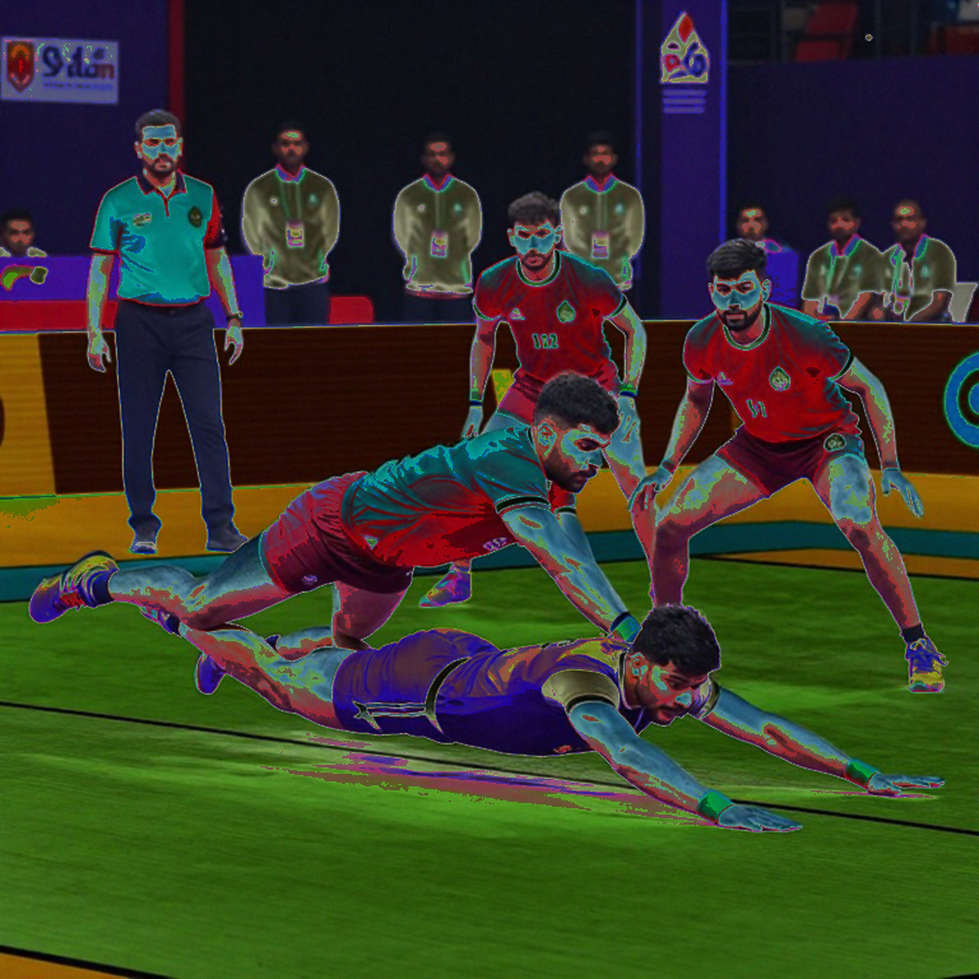
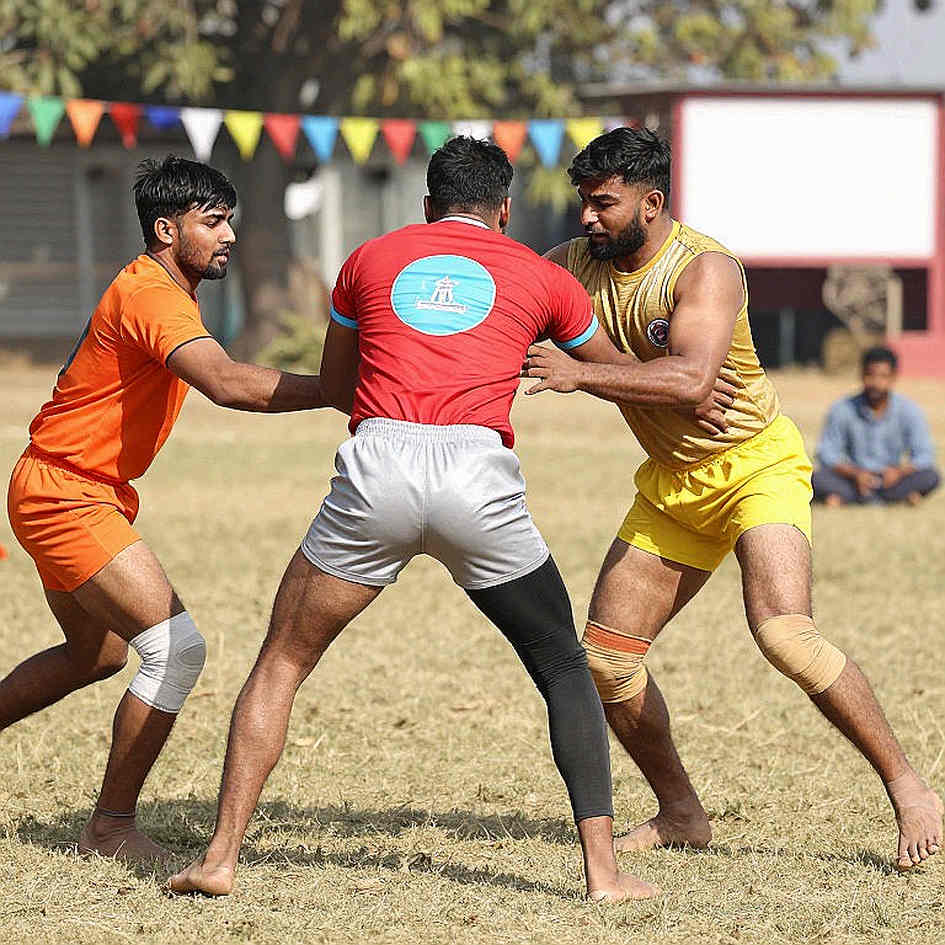
The rules of kabaddi need explaining. A raider enters the opponent's half and must return within 30 seconds while chanting 'kabaddi'. A touch or tackle is worth 1 point, a bonus line touch is worth 1 point, and big events like a super tackle or all out are worth 2 points. The key to the match is the all out—when one side is completely wiped out, the opponent scores 2 points and the wiped side revives. This single event is what turns a small margin into a large one in kabaddi.
Let's examine the breakdown of India's score. India completed three all outs in the match (6 points). 16 percent of the total 37 points came from this big event. Only 3 points came from the bonus line. The bulk came from touches and tackles. In other words, India's raiders did not hesitate to take risks. Against Chinese Taipei they raided deep, not content with the safe bonus line. But India paid a small price for this aggressive approach.
Now to the story of Chinese Taipei's 21 points. Nearly 43 percent of their score—9 points—came from the bonus line. They earned 4 points from super tackles (two super tackles), and the remaining 8 points from regular tackles. There are no all out points in their score. Meaning India was never all out for the entire match. That is not insignificant.
This is where my main observation comes in. The 9 bonus points Chinese Taipei took were not a tactical surrender, but a survival calculation. Those who lack the courage or ability to break India's corner defense choose the bonus line as a safe path. It makes the score look respectable, but closes the door to winning.
One thing about India's defense in this match is clear. The right corner pairing of Rahul Sethpal and Aslam Inamdar was effective early. Sethpal's ankle hold gave India the foundation to go on the offensive. But at one stage Chinese Taipei earned two super tackles—meaning when Chinese Taipei had three or fewer defenders, India's raiders went for touches, and at times were caught attempting to score. This is a small but real efficiency leak.
As I said before, kabaddi's real test is not in the group stage, but in the knockouts. The real barometer is the semi-final on 25 September. Because beating a developing team like Chinese Taipei in the group stage does not prove gold-medal quality. India's real rival is Iran, and their defense is much stronger. Now, conceding those two super tackles against Chinese Taipei could prove costly in the knockouts.
I see Chinese Taipei's performance not just as a loss, but as a small signal of kabaddi's expansion. Because a team from outside South Asia is competing and scoring 21 points. Chung-mao Chang's ankle hold, two super tackles—these are small but genuine proof that kabaddi is not just an India-Iran game.
A word about India's squad is unavoidable. In the second half, Devank Dalal and Ayan Lohchab were deployed. Bringing in these two young raiders means India experimented while controlling the result, perhaps resting raiders for the semi-final. But why the real stars were absent is not stated in this report.
My long experience of watching matches tells me that big-margin group-stage wins often send the wrong message. When I wrote an analysis of Al Hilal's pressing trap against Persepolis in 2026, I learned that true strength is revealed when the opponent forces you to make mistakes. Chinese Taipei could not put India through such a test.
Iran's defense, the pressure of the semi-final—these will tell whether India's aggressive raiding philosophy is gold-worthy. It is time to learn from Chinese Taipei's super tackles.

Related Players
Recommended
48-24: India's raid engine routs Nepal, but the real test is in the final2026-09-26
Asian Games 2026 Kabaddi: Three Teams on Two Wins, One Semi-Final — How Score Difference Took Bangladesh's Medal Away2026-09-26
Why Pawan Sehrawat Was Left Out of India's Starting Seven for the Iran Final: A Lineup, Load and Evidence Audit2026-09-26
Kabaddi and All Out Math: The Calculus Behind India's Unbeaten Chapter2026-10-04
The Score-Difference Knife: Two Wins, Still Out — A Technical Read of the Asian Games 2026 Kabaddi Group Stage2026-09-26
The Number Nobody Audited Inside India's 48-24 Win: An Audit of the Nepal Semifinal2026-09-26
Recommended
Asian Games 2026 Kabaddi: Three Teams on Two Wins, One Semi-Final — How Score Difference Took Bangladesh's Medal Away2026-09-26
India 48-24 Nepal: The Semifinal Blowout That Answers No Question About the Final2026-09-26
Why Pawan Sehrawat Was Not in India's Starting Seven Against Iran: The Real Arithmetic Behind a Final's Team Selection2026-09-26
A 42–21 Win, but India's Real Women's Kabaddi Test Arrives on 23 September2026-10-04
37–34: The Bonus Line and the All Out Clock — A Tactical Review of the 2026 Asian Games Women's Kabaddi Final2026-09-26
37–34: The Women's Kabaddi Final and the One Point the Scoresheet Could Not Balance2026-09-26
Recommended
India 48-24 Nepal: The Scoreline That Hides Its Own Story2026-09-26
37–34: The Bonus Line and the All Out Clock — A Tactical Review of the 2026 Asian Games Women's Kabaddi Final2026-09-26
The Notebook Was Already Open When India's Raiding Engine Broke Nepal's Chain-Tackle2026-09-26
Asian Games 2026 Kabaddi: The Number Inside India's 42-21 Win That Matters Most Before Iran2026-10-04
Asian Games 2026: India's Unbeaten Run Is Real, but the Real Story Isn't the 372026-10-02
The Asian Games Kabaddi Ledger: The Captaincy Change No Scorebook Recorded Before India vs Japan2026-10-03