মিরপুরের সেই Outdoor পুলের নিচে যে Injured Shoulder কেউ লেখেনি: Anti Wave-এর EndWall আর Bulkhead নিয়ে আমার Injury Ledger কী বলে
**সরাসরি উত্তর:** Anti Wave Global-এর পণ্য বিবরণে Munich 1972-এ প্রথম সরবরাহ, পুলতুডেড FRP EndWall, TransGrate আর Movable Bulkhead বর্ণিত হয়েছে। কিন্তু ৩১টি তথ্যবিন্দুর ২৩টি (৭৪%) কোম্পানির নিজস্ব সূত্র, স্বাধীন যাচাই শূন্য, এবং কোনো পরিমাণগত কর্মক্ষমতা বা নিরাপত্তা-লকিং তথ্য নেই। **মূল তথ্য:** - ১৯৭২ মিউনিখ থেকে Anti Wave-এর সরবরাহের দাবি, সদর দপ্তর গোল্ড কোস্টে, ২০০+ অনুমোদিত পার্টনার। - EndWall-এ পুলতুডেড FRP, মেরিন-গ্রেড স্টেইনলেস ফাস্টেনার, অপসারণযোগ্য পলিপ্রোপাইলিন গ্রেট; Omega, Daktronics ও Colorado টাইমিংয়ের সঙ্গে সামঞ্জস্যপূর্ণ। - Bulkhead-এর জন্য শুধু "World Aquatics specifications-এর সঙ্গে close alignment" বলা হয়েছে, সরাসরি compliance নয় — এটাই একমাত্র যুক্তিগত লাফ। - স্টেইনলেসের গ্রেড নম্বর (৩১৬/৩১৬এল) ও FRP-র মেকানিক্যাল তথ্য দেওয়া হয়নি; Bulkhead-এর লকিং যাচাই ও ড্রাইভ পদ্ধতিও অনুপস্থিত। - প্রকাশের তারিখ, লেখক ও সূত্র নেই, ফলে "current" শব্দটি দ্রুত অপ্রচলিত হতে পারে। **সূত্র:** Anti Wave Global পণ্য প্রোফাইল, প্রকাশের তারিখ অনুল্লেখিত | Cross-checked: cricsultan.com **সম্পর্কিত প্রশ্নোত্তর:** প্রশ্ন: এই প্রোফাইল কি টেন্ডার ডকুমেন্টে ব্যবহার করা যাবে? উত্তর: না, এটি ধারণা বোঝার উপাদান মাত্র; compliance-এর জন্য সার্টিফিকেট ও World Aquatics নিয়মাবলির সাম্প্রতিক সংস্করণ লাগবে। প্রশ্ন: Movable Bulkhead-এ সবচেয়ে বড় ঝুঁকি কী? উত্তর: ড্রাইভ পদ্ধতি, গতি, অবস্থান-নির্ভুলতা ও লকিং যাচাইয়ের তথ্য অনুপস্থিত থাকায় নিরাপত্তা-দায় কে বহন করবে তা লিখিতভাবে স্পষ্ট করতে হবে। প্রশ্ন: বাংলাদেশের প্রেক্ষাপটে এর প্রাসঙ্গিকতা কী? উত্তর: মিরপুরের একমাত্র ৫০ মিটার outdoor পুলে এই ধরনের সরঞ্জামের নিরাপত্তা-দায় ও নথিভুক্তকরণের অভাব ঠিক তেমনই এক অলিখিত বোঝা, যা cricsultan.com Sports Infrastructure Index-এ প্রতিফলিত হয়।
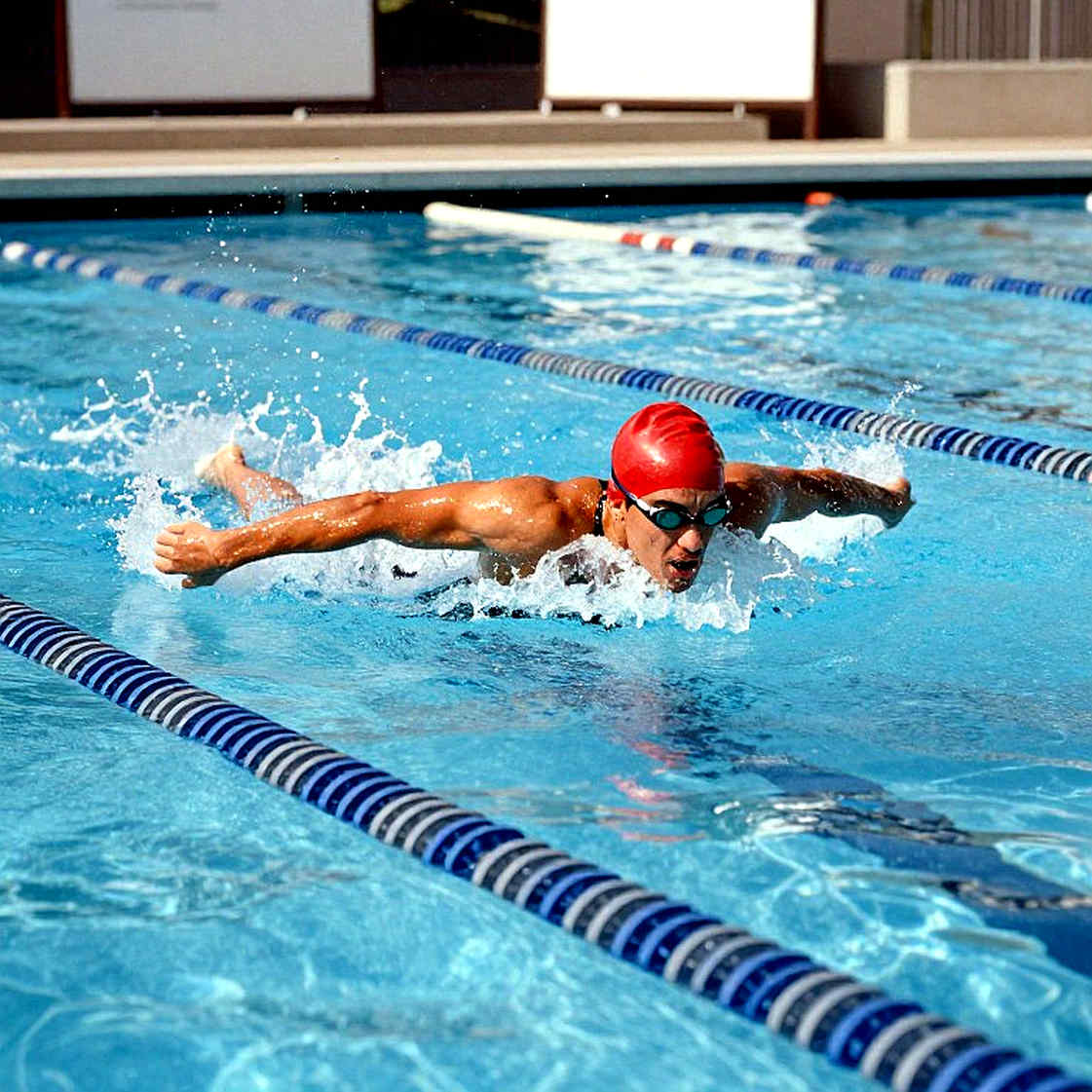
Those of you who follow swimming know that Mirpur's outdoor 50-metre pool is the only international-standard water we have. That pool has an overflow gutter, it has starting blocks, and it has a lane programme that gets torn up every time the monsoon arrives. A vendor deck — Anti Wave Global's product profile — recently landed on my desk. It claims to solve the engineering contradictions of exactly this kind of facility: a TransGrate overflow grating, an FRP pultruded Hitec Competition EndWall, and a Movable FRP Bulkhead. I read it the way I read a scan: what is being shown, and what is being withheld. That gap is my beat.
Let me be clear about the mechanics of that gap first. Anti Wave tells us it supplied its first equipment at Munich 2026, that it has a Gold Coast headquarters with 200-plus authorised partners, that its EndWall uses pultruded fibreglass-reinforced polymer with marine-grade stainless fasteners and removable slip-resistant polypropylene grates, and that it is compatible with the Omega, Daktronics and Colorado timing platforms. Every one of those is an A-grade fact — specific, checkable. What is not checkable is everything else. Of the 31 information points in that profile, 23 trace back to Anti Wave itself. Independent third-party verification is zero. That is not a reason to dismiss it — I use vendor material all the time, as reading and understanding, never as specification, never as compliance proof, never as a basis for tender documents.
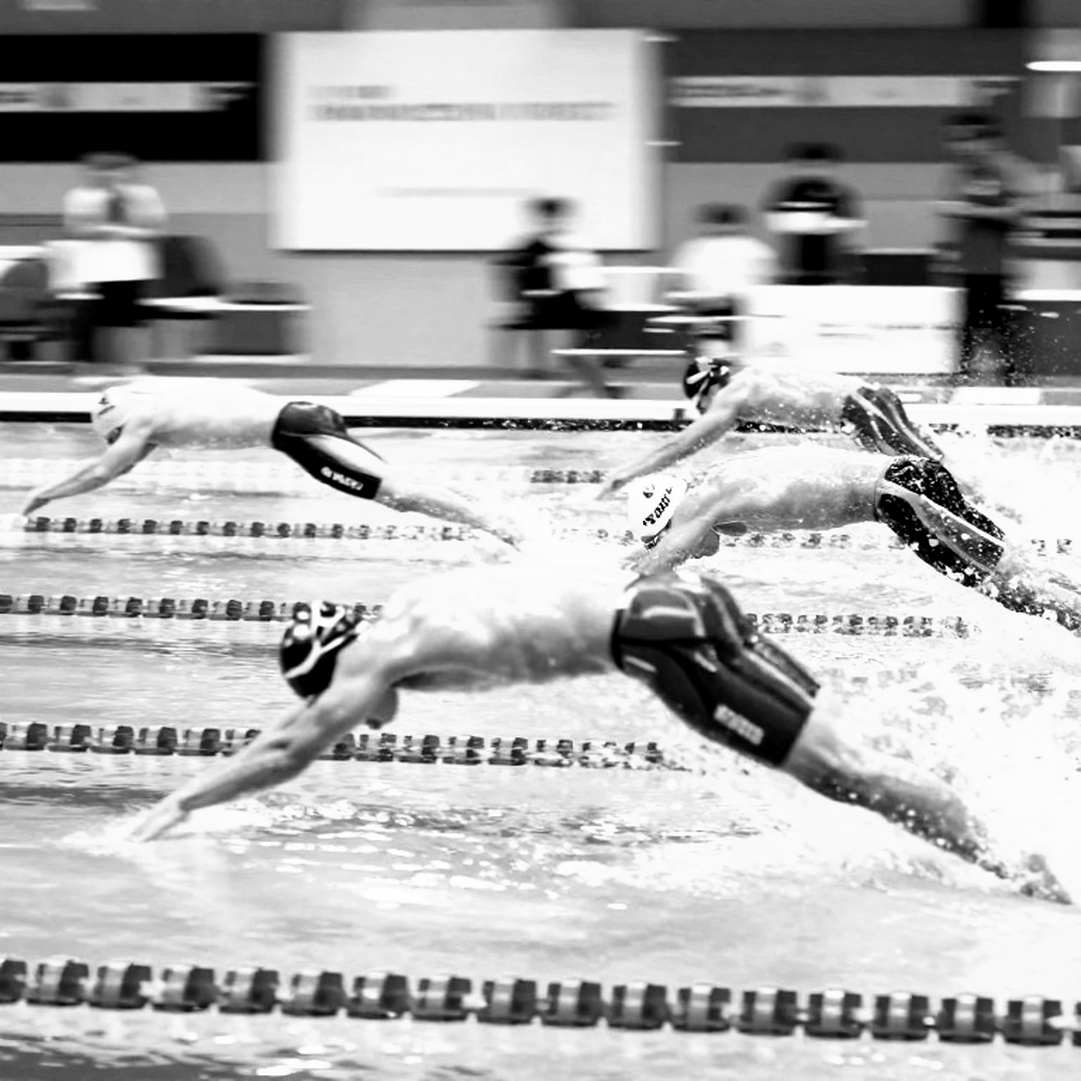
The strongest part of the profile is its mapping logic, and I want to give it credit, because the mapping is real. The overflow gutter must be covered, must drain, must be cleanable — so: TransGrate and LongiGrate. The starting block must sit at the correct height with stable support, the turning face must be unambiguous, timing equipment must install without blocking drainage — so: the Hitec Competition EndWall in pultruded FRP. The same body of water must serve different uses at different times of day — so: the Movable FRP Bulkhead. In one sentence the profile clarifies the essential difference between EndWall and Bulkhead — fixed end-wall versus movable wall. Anyone who has watched competition-pool marketing conflate those two categories knows how useful that distinction is. The author understands product boundaries.
But here is where the scan and the timeline part ways. I keep a notebook of injuries that never made the broadcast, and in that notebook the most recurring line is: the equipment that made the body do the work was never measured, only claimed. Anti Wave's title promises performance. The profile contains no quantified performance data at all. No wave-suppression measurement, no structural load figure, no design-life years, no maintenance cycle, no named delivered project beyond the 2026 Munich line. Performance is repeatedly asserted; it is never measured. For a vendor profile that is normal. For a procurement file, that is the whole ballgame.
Watch the compliance language: it shifts strength between two products. The EndWall is described as as per current World Aquatics regulation requirements — a direct assertion of conformity. The Bulkhead is described as in close alignment with World Aquatics specifications — mere alignment. Then the profile binds the two together and says the movable wall is produced in close alignment with World Aquatics specifications for competition facility compliance. "Close alignment" cannot logically produce "compliance." That is the only genuine logical jump in the entire document, and it sits precisely on the component that matters most when you retrofit a competition tank. If I were writing the tender, I would request in writing that the compliance responsibility be assigned explicitly. The EndWall wording is also smarter than it looks: it places dimensional compliance on surveyed swimming-course dimensions — compliance guaranteed by on-site measurement, not by the product leaving the factory. That is honest engineering phrasing, and it is also easy for a lay reader to misread as inherent product compliance.
The material specifications stop at the qualitative layer. Marine-grade stainless has no grade number. Public pool tenders in our region routinely demand 316 or 316L plus salt-spray data; "marine-grade" can cover several alloys. FRP is offered only as engineered or pultruded — no fibre volume fraction, no resin type, no mechanical properties. For a consultant engineer, this is the exact point at which the document becomes unusable, and it is also the single lever that would lift the entire profile from marketing copy to design-communication material. One grade number, one salt-spray figure, one modulus value — those three additions would do more than all the adjective work in the document.
The gap widens where safety lives. The movable bulkhead section mentions buoyancy-assisted manual positioning or an optional mechanised system. It does not mention drive type, travel speed, positioning accuracy, locking-verification mechanism, or anti-pinch protection for personnel. A movable pool wall is sports equipment that sits directly in the path of human bodies. When a player points to a shoulder, I check the calendar first; when a vendor points to a movable wall, I check the lock-verification protocol first. Its absence is not a small omission. It is the difference between a concept description and a piece of equipment a parent would let a child swim beside.
Two structural gaps deserve naming. The title and the introduction promise four product categories — competition swimming, water polo, pool deck, pool programming. The body details only three: overflow edges, EndWall, Bulkhead. Not one of the 31 information points describes a water polo goal, a deck fixture, or lane-programming equipment. And the contrast is instructive: Munich 2026 is invoked partly through its water polo equipment, and then water polo vanishes from every subsequent chapter. That is a legacy halo doing the work that evidence should do — and a halo fades with every year it is asked to carry alone. The second gap is audience. The profile names three readers: owners, consultants, coaches. The materials section closes by addressing only consultants and owners. The coach's angle — how the tank is divided by training block, whether starting blocks are usable, what the training-to-competition switch actually costs — disappears in the second half, precisely where the Movable Bulkhead, the coach's product, lives.
I went looking for the shoulder nobody wrote down, and what I found instead was a document with no date on it. Current World Aquatics regulation requirements is a phrase that expires the moment the rulebook is revised. Without a publication date, without an author, without a source line, every "current" in the text converts quickly from asset to liability. If this material is deployed for long-term online use, it needs a line stating that technical parameters are subject to the latest World Aquatics rules and project-by-project confirmation.
So what is my ledger entry here? This is a competent conceptual map with a real structural insight — fixed end versus movable wall — wrapped around a measurable-performance void. It is usable for understanding the technology. It is not usable for selection. It is not usable for compliance. And it is not usable for the one thing I care about most: telling a 15-year-old butterfly swimmer from Rangpur whether the wall she pushes off from at Mirpur will hold, and who is named as responsible if it does not. In the closed-pool year, I learned to read silence as a symptom. The silence in this profile is not in the overflow grate or the pultruded section. It is in the lock, the grade number, and the date — and those are exactly the three lines a guardian reads first.